Curie Brief
Turn on cookies to sign in
Signing in saves your progress to your Curie account. We can only do that with cookies on — turn them on to continue.
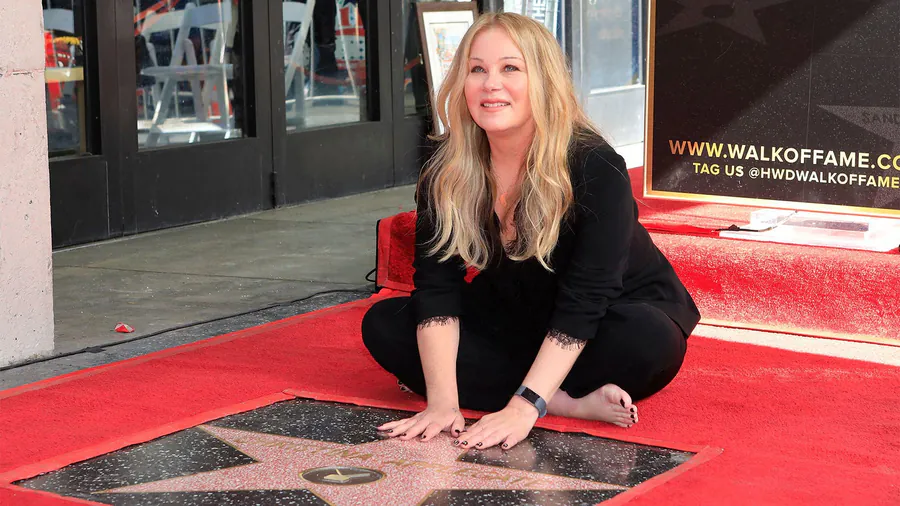
Christina Applegate revealed her MS diagnosis may have been wrong all along, shining a spotlight on how tricky the disease is to diagnose. Experts say misdiagnosis rates range from under 10% to nearly 20%, largely because there's no single definitive test. Clinicians must piece together imaging, symptoms, and evolving criteria — a process that's improving but still imperfect.
Christina Applegate, who publicly announced her multiple sclerosis (MS) diagnosis in 2021, revealed this week that her doctor now says the diagnosis was incorrect — leaving her, in her own words, "back at square one." Despite still experiencing symptoms consistent with MS, including mobility issues requiring a wheelchair, she has no confirmed diagnosis. The news is particularly significant given her prominent role as an MS advocate alongside co-host Jamie-Lynn Sigler on their podcast MeSsy.
Neurologists say MS misdiagnosis is a real and persistent challenge. Because there's no single definitive test, clinicians must navigate a complex diagnostic algorithm — weighing MRI findings, symptom patterns, and ruling out other autoimmune or chronic conditions. Diagnostic criteria (the McDonald criteria) were last updated in 2024, incorporating advanced imaging markers like the central vein sign and paramagnetic rim lesions to improve specificity.
Key Takeaways:
Why it matters: MS misdiagnosis has real consequences: patients may receive unnecessary treatments with serious side effects, while the true underlying condition goes untreated. As diagnostic tools improve, the field faces an ongoing tension between diagnosing faster and diagnosing right.