Curie Brief
Turn on cookies to sign in
Signing in saves your progress to your Curie account. We can only do that with cookies on — turn them on to continue.
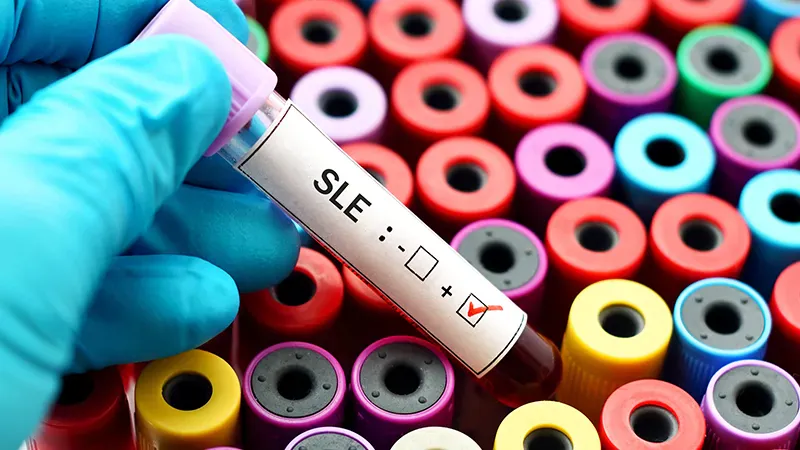
Long-term belimumab use pays off for lupus patients. A post hoc analysis of over 1,200 SLE patients found that those on belimumab plus standard therapy significantly reduced their steroid use over 8 years, with minimal organ damage progression. The drug also showed a consistent safety profile over 13 years, with no new safety concerns emerging.
Long-term belimumab use pays off for lupus patients
A large post hoc analysis pooling data from three international long-term extension studies found that belimumab, added to standard therapy, helped patients with systemic lupus erythematosus (SLE) meaningfully cut their glucocorticoid (steroid) use over 8 years — a key treatment goal. The study included 1,299 patients, mostly women, with a mean disease duration of 7.2 years.
Organ damage — a major concern in SLE — remained largely stable throughout the study period, with 79% of patients showing no increase in damage scores by year 8. Safety data spanning up to 13 years showed no new red flags, with infections being the most common adverse events.
By the Numbers
Why it matters: These findings offer some of the longest real-world safety and efficacy data for belimumab in SLE, giving clinicians and patients stronger evidence to guide treatment decisions — particularly around steroid reduction, which is critical for minimizing long-term side effects.