Curie Brief
Turn on cookies to sign in
Signing in saves your progress to your Curie account. We can only do that with cookies on — turn them on to continue.
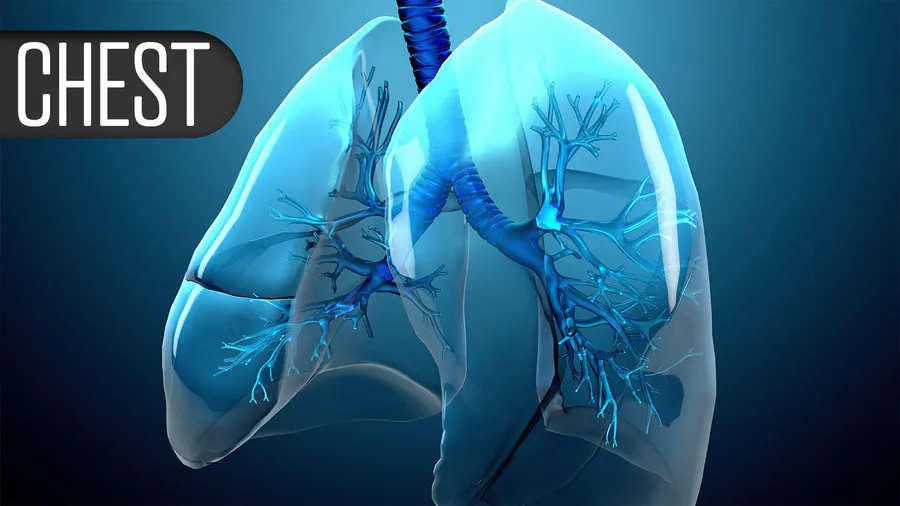
A new exosome-based inhaled drug, EXO-CD24, showed impressive results in a phase IIb trial for acute respiratory distress syndrome (ARDS). Patients receiving the therapy were far more likely to be free of respiratory failure by day 7 and had significantly shorter hospital stays. Notably, the treatment also appeared to cut mortality rates dramatically at both 28 days and 6 months.
A novel inhaled immunomodulatory therapy called EXO-CD24 is turning heads in the critical care world after a phase IIb trial showed striking improvements in patients with acute respiratory distress syndrome (ARDS). The drug, developed by Israeli biotech Nano24, uses engineered exosomes — tiny natural cargo carriers in the body — to deliver the immunomodulatory protein CD24 directly to inflamed lung tissue. The treatment works by calming damage-driven inflammation while preserving the body's ability to fight pathogens, all without systemic exposure that could cause toxicity.
The trial enrolled 90 ARDS patients who received either the inhaled therapy or a saline placebo twice daily for up to 5 days. Results were presented at the CHEST Annual Meeting, with experts calling the findings highly promising — especially given how few effective treatments exist for ARDS.
By the Numbers:
Why it matters: ARDS carries high mortality and has long lacked effective pharmacological treatments. If these results hold up in a planned phase III international trial, EXO-CD24 could represent a meaningful breakthrough in critical care medicine.