Curie Brief
Turn on cookies to sign in
Signing in saves your progress to your Curie account. We can only do that with cookies on — turn them on to continue.
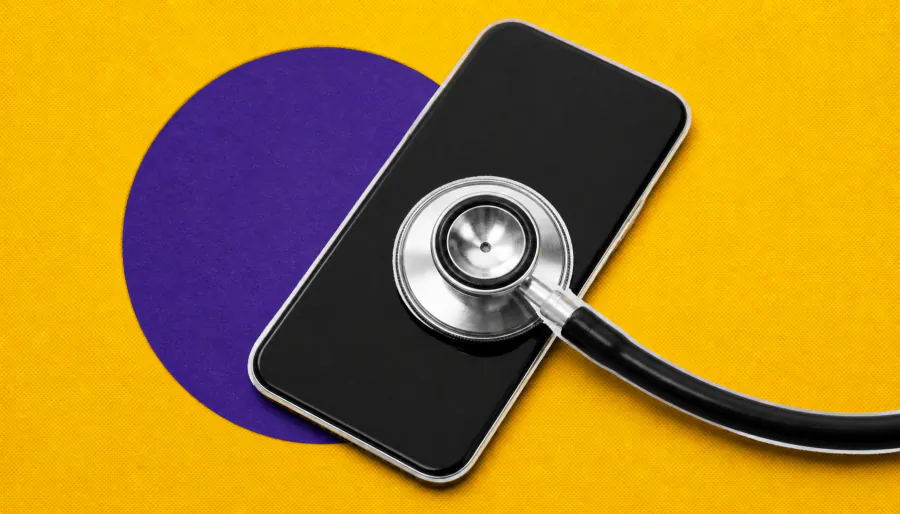
With over 40 million people asking ChatGPT health questions daily, medical misinformation is walking straight into the exam room. Cardiologists say the answer isn't to shut patients down — it's to engage them. Treating online curiosity as a conversation starter, not a threat, can actually strengthen trust and improve shared decision-making.
Patients are arriving at clinic visits armed with AI-generated health advice, TikTok videos, and social media posts — and cardiologists say that's not necessarily a bad thing. Rather than dismissing what patients find online, physicians are being urged to use these moments as opportunities to build trust, correct misinformation, and engage patients more deeply in their own care. "If they already believed it or fully trusted it, they wouldn't even be asking us," said Dr. Martha Gulati of Houston Methodist.
The stakes are real, though. Statins, GLP-1s, menopausal hormone therapy, and dietary supplements are all frequent targets of online misinformation — with bots, influencers, and poorly framed AI prompts all contributing to the noise. One study found that large language models repeated or elaborated on false clinical information in up to 83% of responses when fed fictitious data.
Key Takeaways:
Why it matters: As AI and social media become primary health information sources, clinicians who engage rather than dismiss patient-sourced information are better positioned to correct misinformation, support adherence, and strengthen the doctor-patient relationship.