Curie Brief
Turn on cookies to sign in
Signing in saves your progress to your Curie account. We can only do that with cookies on — turn them on to continue.
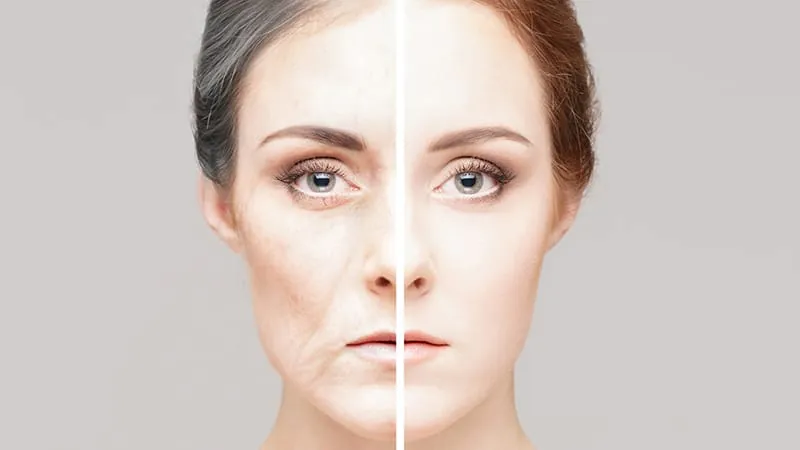
Your skincare routine might be doing more than you think. Emerging research suggests that fragrance, makeup, and self-care rituals can meaningfully influence mood, self-perception, and even stress markers — though context matters a lot. The same routine that boosts one person's confidence could fuel another's anxiety, especially in the age of social media comparison.
Your morning beauty routine might have more psychological power than you realize. Researchers are increasingly exploring how cosmetics — from fragrance to skincare rituals to makeup — can influence mood, self-image, and emotional well-being. A 2024 study found that exposure to a pleasant scent led women to rate their own faces as more attractive and self-confident, while brain activity recordings showed measurable changes in how facial images were processed. Meanwhile, a 2026 study found that a 10-minute nightly facial massage routine improved sleep quality and reduced anxiety in women with sleep problems over four weeks.
For patients with visible skin conditions like acne, psoriasis, or alopecia, cosmetics can serve a clinical purpose — helping manage the psychosocial burden of their condition. A 2025 review found that cosmetic camouflage improved quality of life across multiple dermatologic conditions, though methodological limitations were noted.
Key Takeaways:
Why it matters: For HCPs, understanding the psychological dimensions of cosmetic use can open conversations about self-care, body image, and mental health — particularly in patients managing chronic skin conditions.