Curie Brief
Turn on cookies to sign in
Signing in saves your progress to your Curie account. We can only do that with cookies on — turn them on to continue.
Daily adherence to TKIs is the cornerstone of successful CML treatment, but side effects and lifestyle factors often get in the way. Expert Fadi Haddad, MD, highlights how proactive adverse effect management, dose adjustments, and newer formulations — including liquid and orally disintegrating options — can keep patients on track and improve long-term outcomes.
For patients with chronic myeloid leukemia (CML), taking their oral tyrosine kinase inhibitor (TKI) every single day isn't just a recommendation — it's the difference between deep remission and disease progression. MD Anderson's Dr. Fadi Haddad emphasizes that missed doses can lead to drug resistance and worse survival outcomes, making adherence one of the most critical factors in CML management.
Side effects are a sneaky culprit behind non-adherence. Fatigue, bone pain, and muscle aches are commonly dismissed by patients as unrelated to their medication, but they're often drug-induced. Haddad urges patients to speak up and physicians to ask proactively — because catching these issues early allows for dose reductions or therapy switches that keep patients comfortable and compliant long-term.
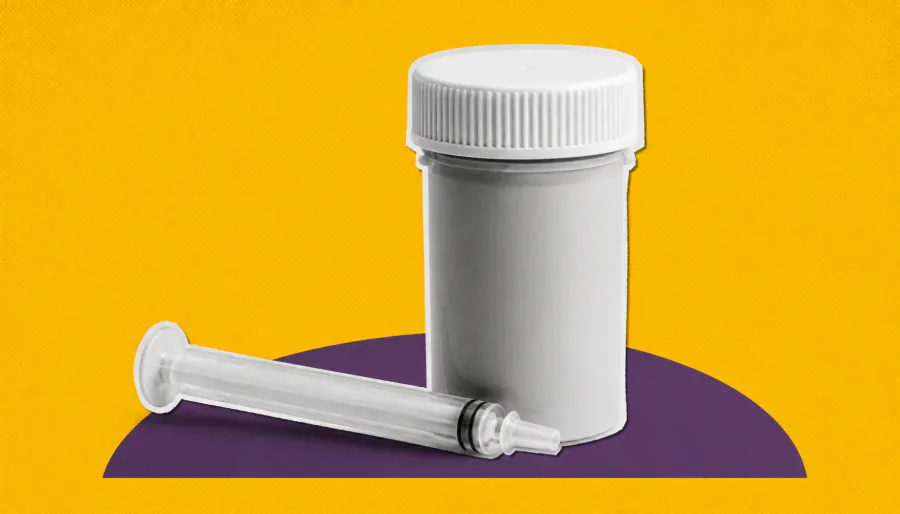
With six FDA-approved TKIs now available — including the newly approved asciminib (October 2024) and an imatinib oral solution (November 2024) — clinicians have more tools than ever to tailor treatment to individual patient profiles.
Key Takeaways:
Why it matters: Adherence directly drives treatment-free remission and long-term survival in CML. Optimizing how and which TKI patients take — and in what form — is a practical, high-impact strategy that clinicians can act on today.