Curie Brief
Turn on cookies to sign in
Signing in saves your progress to your Curie account. We can only do that with cookies on — turn them on to continue.
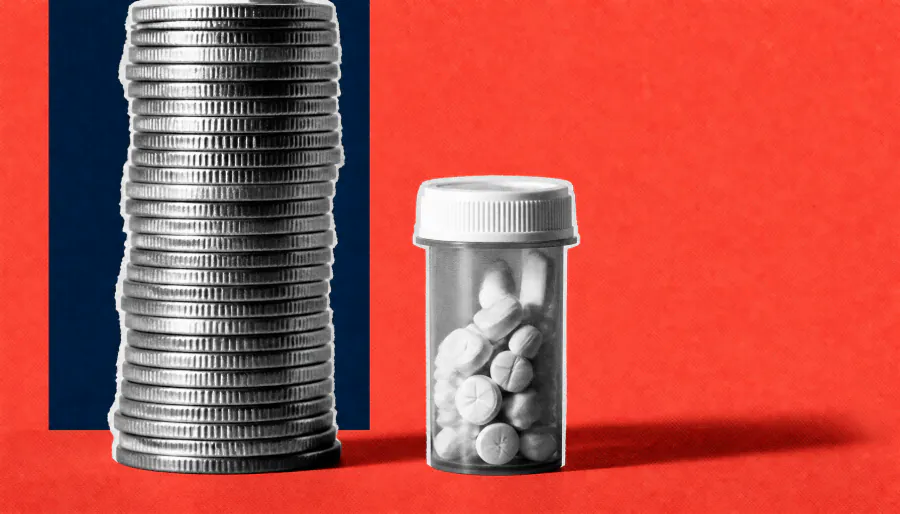
Getting life-prolonging blood cancer drugs is harder than it should be. A nationwide study found insurers initially rejected prescriptions for 65% of Medicare and 84% of commercially insured patients. Even after approval, only about half of patients actually filled their prescriptions — largely because out-of-pocket costs were too steep.
A major new study published in the Journal of Clinical Oncology reveals that patients with blood cancers face serious, systemic obstacles when trying to access specialty oral anticancer medications (SOAMs) — the kind of targeted therapies that can extend lives in leukemia, lymphoma, and multiple myeloma.
Analyzing nationwide claims data from 12,134 Medicare and commercially insured patients in 2022, researchers found that insurers initially rejected the vast majority of prescriptions. Prior authorization and formulary restrictions were the top culprits. While approval rates improved over 90 days, the finish line was still out of reach for many: only 54.5% of Medicare patients and 45.5% of commercially insured patients ended up with both an approved and filled prescription.
Affordability was the other major roadblock. Fill rates held strong when out-of-pocket costs were $175 or less, but dropped sharply when costs climbed higher — falling to roughly 30% for costs between $500 and $2,000.
By the Numbers:
Why it matters: These findings expose a systemic gap where insurance red tape and cost burdens are keeping patients from drugs that could save their lives. Researchers and professional societies are calling for reforms including electronic prior authorization, gold carding, and broader awareness of Medicare's Prescription Payment Plan — which lets patients spread costs over the year rather than paying a large lump sum upfront.