Curie Brief
Turn on cookies to sign in
Signing in saves your progress to your Curie account. We can only do that with cookies on — turn them on to continue.
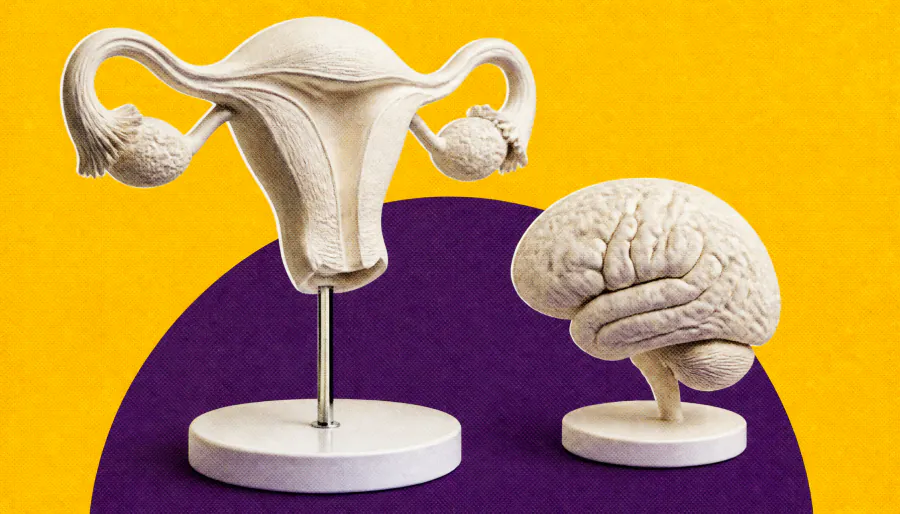
Women with endometriosis are 2.3 times more likely to have migraine — and the overlap may affect up to 78% of patients — yet it's routinely missed because specialists rarely ask about each other's domain. A meta-analysis of 13 million women reveals a major "visibility gap" driven by siloed care and short-term billing records that capture fewer than 5% of co-occurring cases.
A sweeping meta-analysis of over 13 million women has confirmed what many patients may have long suspected: migraine and endometriosis are deeply intertwined — and the medical system is largely missing it. Presented at the American Neurological Association's 151st Annual Meeting, the research found that women with endometriosis are 2.3 times more likely to also have migraine, with comorbidity rates reaching as high as 78% in clinic-based studies using patient interviews.
The culprit behind the overlap? A shared biological pathway involving calcitonin gene-related peptide (CGRP) — a molecule linked to pain sensitization that appears to play a role in both conditions. Researchers suggest that CGRP-targeting migraine medications could potentially also reduce endometriosis-related pain and even lesion size, opening a promising new treatment avenue. NIH-funded studies are now underway to explore this further.
By the Numbers:
Why it matters: Siloed specialty care means gynecologists rarely ask about headaches, and neurologists rarely ask about pelvic pain — leaving a massive diagnostic gap. A cross-specialty questionnaire is in development to help catch this overlap earlier, which could dramatically improve outcomes for millions of women.