Curie Brief
Turn on cookies to sign in
Signing in saves your progress to your Curie account. We can only do that with cookies on — turn them on to continue.
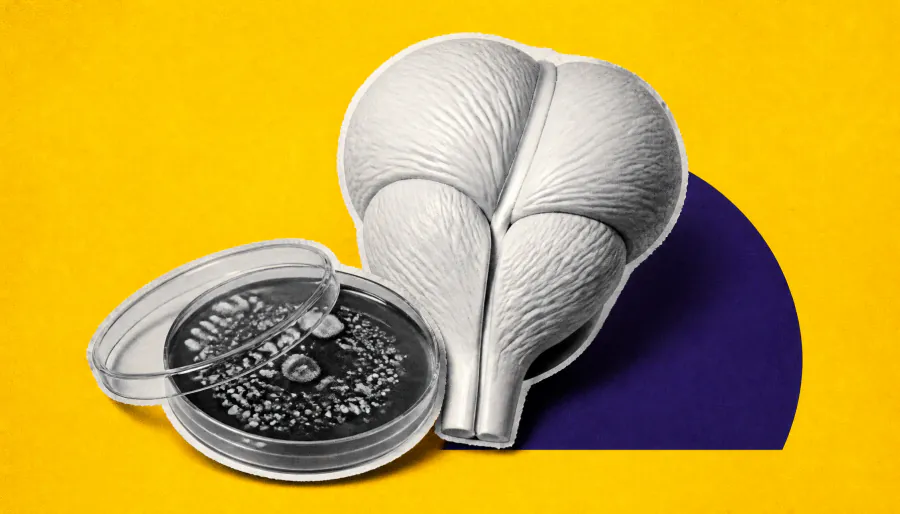
Researchers found 18 new bacterial species lurking in discarded DNA data from prostate cancer patients — and they didn't need a single extra sample to do it. Most of the bacteria came from the mouth, including types previously linked to more aggressive prostate cancer. The discovery opens the door to new biomarkers and potential treatment targets for the disease.
Scientists at the University of East Anglia (UEA) have identified 18 previously unknown bacterial species hiding in sequencing data from prostate cancer patients — data that researchers had literally been throwing away. By salvaging the non-human DNA fragments typically filtered out during tumor sequencing, the team reconstructed 249 near-complete bacterial genomes from 194 patients, 24 of which matched no known species. The work, published in npj Biofilms and Microbiomes, is part of the Pan Prostate Cancer Group (PPCG), a global consortium spanning nine countries and over 2,000 prostate cancer cases.
The majority of the newly discovered bacteria are oral microbes, including new species of Porphyromonas — the same genus responsible for gum disease — which UEA researchers previously linked to more aggressive prostate cancer. While causality hasn't been established, the "oral-prostate axis" is gaining traction: men with gum disease appear to have a slightly elevated prostate cancer risk, and oral bacteria have been found in both dental plaque and prostate fluid from the same patients.
Key Takeaways:
Why it matters: If specific bacteria are confirmed to drive aggressive prostate cancer, they could become targets for prevention or treatment — a rare modifiable factor in a disease where most risk comes from genetics patients can't change.