Curie Brief
Turn on cookies to sign in
Signing in saves your progress to your Curie account. We can only do that with cookies on — turn them on to continue.
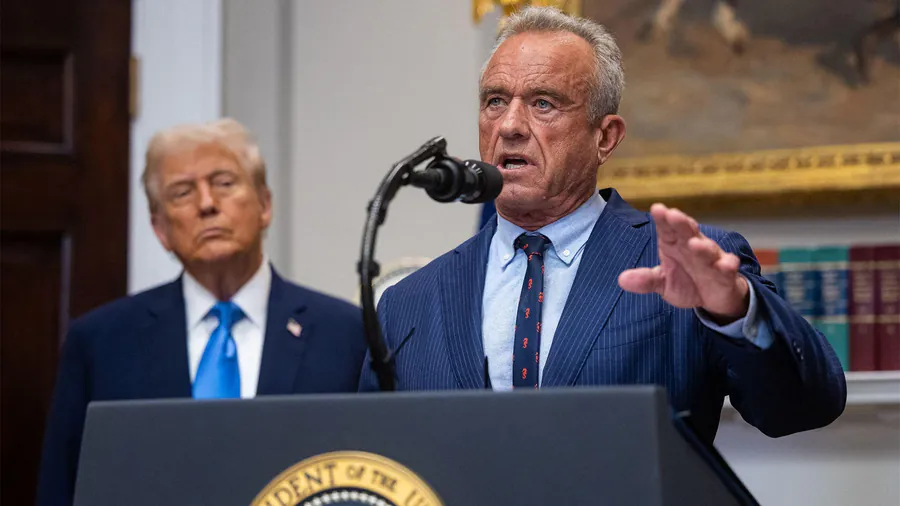
Even a pro-vaccine Congress may not be enough to shield immunization policy from executive overreach. Analysts warn that RFK Jr. is expected to intensify anti-vaccine efforts post-midterms, unchecked by congressional or judicial oversight. Strong, sustained advocacy from the health community will be critical through 2029 and beyond.
Even if the 2026 midterms deliver a more pro-vaccine Congress — with Democrats likely flipping the House and having a 50/50 shot at the Senate — public health experts warn it won't be enough to reverse the tide against vaccines. The Trump administration's embrace of "unitary executive theory" means the White House can sidestep congressional authority, ignore court rulings, and allow HHS Secretary RFK Jr. to pursue his long-standing anti-vaccine agenda with little restraint.
Vaccine advocates did make meaningful strides in 2026 — building coalitions, filing lawsuits over ACIP restructuring, and pushing back on state-level school vaccine exemption expansions. But fragmented political focus, a mild flu season, and a muted federal response to rising measles outbreaks kept vaccine policy from becoming a dominant national election issue. Post-midterms, experts anticipate Kennedy will revive previously blocked anti-vaccine policies with renewed aggression.
Key Takeaways:
Why it matters: Vaccine policy is entering uncharted territory — where traditional checks and balances may not hold. Without robust advocacy, decades of public health progress on immunization could erode significantly.