Curie Brief
Turn on cookies to sign in
Signing in saves your progress to your Curie account. We can only do that with cookies on — turn them on to continue.
A first-of-its-kind Alzheimer's cell therapy is moving closer to human trials. Australian biotech S2N.Bio has begun transferring its hair follicle-derived neuron replacement therapy to a GMP facility in Melbourne, setting the stage for a first-in-human clinical trial in 2027. Unlike approved anti-amyloid drugs, this therapy aims to actually replace neurons lost to the disease.
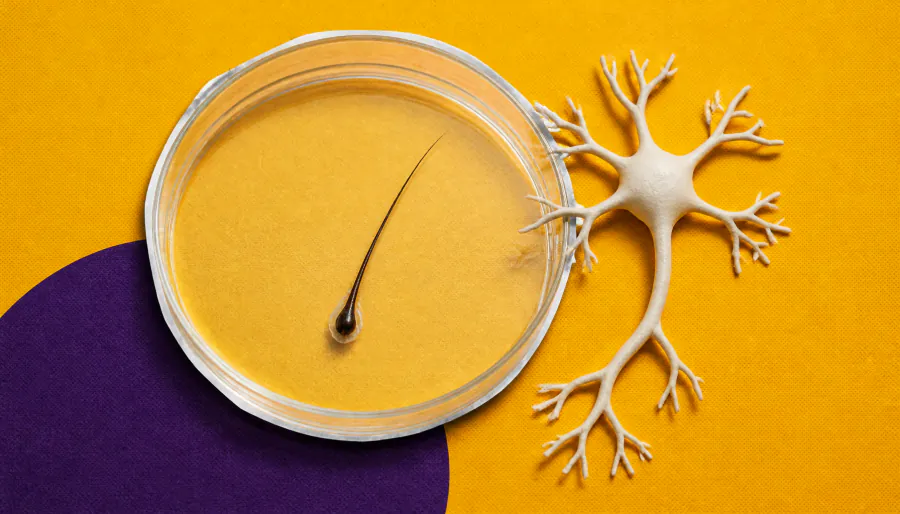
Australian regenerative medicine company S2N.Bio has kicked off technology transfer of its novel cell therapy for Alzheimer's disease to Cell Therapies' GMP facility in Melbourne — a major step toward a planned first-in-human clinical trial in 2027. The therapy uses hair follicle-derived neuroprecursor (HFN) cells, harvested from a patient's own hair follicles, which are then guided to differentiate into neurons. Crucially, the cells are not genetically modified.
What sets S2N apart is its goal: rather than slowing cognitive decline like the recently approved anti-amyloid antibodies donanemab and lecanemab, this therapy is designed to replace neurons already lost to neurodegeneration — a gap no current treatment addresses.
Key Takeaways:
Why it matters: Current Alzheimer's therapies can only modestly slow decline — they can't restore lost function. If S2N's neuron-replacement approach translates to humans, it could represent a paradigm shift in how we treat one of the world's most devastating diseases.