Curie Brief
Turn on cookies to sign in
Signing in saves your progress to your Curie account. We can only do that with cookies on — turn them on to continue.
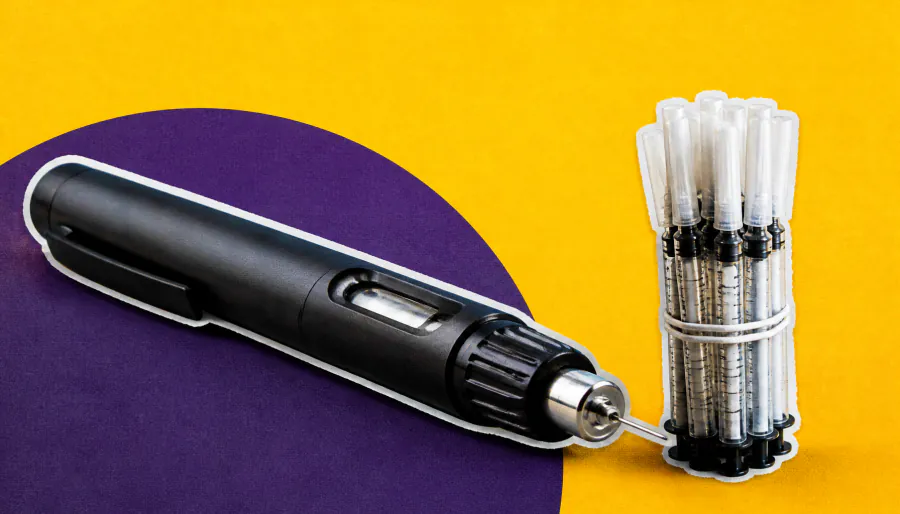
A new combo therapy is shaking up type 2 diabetes treatment. The phase 3b COMBINE 4 trial found that once-weekly icodec plus semaglutide (IcoSema) beat daily insulin glargine U100 on blood sugar control, weight loss, and hypoglycemia risk in insulin-naive patients. Fewer injections, better outcomes — it's a compelling case for a treatment shift.
A once-weekly combination of basal insulin icodec and semaglutide is making a strong case for reshaping how type 2 diabetes (T2D) is managed. Results from the phase 3b COMBINE 4 trial, published in Lancet Diabetes & Endocrinology, show that IcoSema significantly outperformed once-daily insulin glargine U100 across multiple key outcomes in insulin-naive adults with inadequately controlled T2D.
The randomized, open-label trial enrolled 485 patients across 97 sites in 9 countries over a 40-week treatment period. Patients on IcoSema not only saw greater blood sugar reductions but also lost weight — a stark contrast to those on glargine U100, who gained weight. IcoSema also met all three internationally recommended CGM targets (time in range, time above range, time below range), while glargine U100 only met one.
Why it matters: For clinicians managing T2D intensification, IcoSema offers a once-weekly option that addresses two of the biggest patient concerns — weight gain and hypoglycemia — while reducing injection frequency. That's a meaningful quality-of-life benefit alongside the clinical gains.