Curie Brief
Turn on cookies to sign in
Signing in saves your progress to your Curie account. We can only do that with cookies on — turn them on to continue.
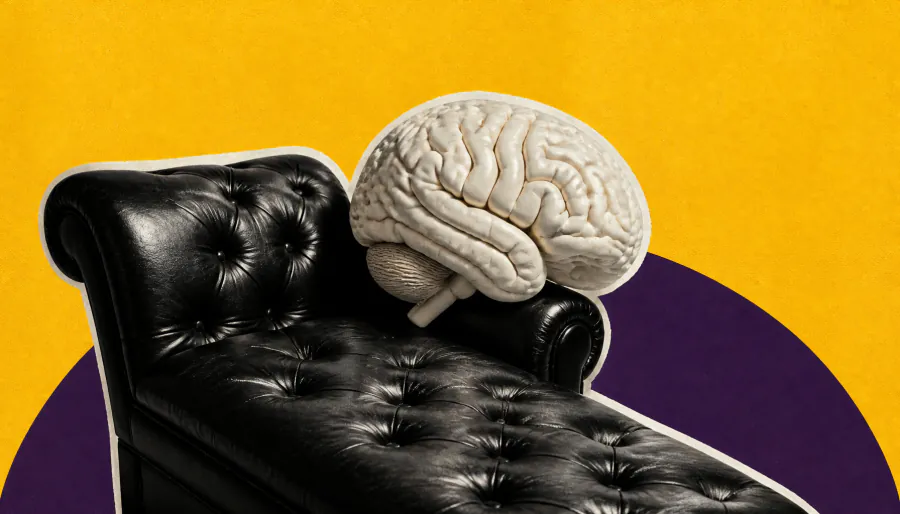
Turns out, Freud wasn't entirely off base. A new analysis published in Entropy finds striking parallels between Freud's psychoanalytic theories and the modern "predictive brain" model in neuroscience. Both frameworks suggest the brain constantly generates expectations that shape perception and behavior — and understanding this overlap could unlock better treatments for stubborn mental health conditions.
Turns out, Freud wasn't entirely off base. A new scientific analysis from researchers at the University of Oslo, published in Entropy, draws surprising parallels between Freud's century-old psychoanalytic theories and one of modern neuroscience's most influential frameworks: the predictive brain model. This model describes the brain as a "prediction machine" — constantly anticipating what will happen next and adjusting based on the gap between expectations and reality.
The researchers argue that psychoanalytic concepts like projection (attributing feelings or intentions to others) closely mirror how the brain uses past experiences to interpret new ones. Someone who has repeatedly faced rejection, for example, may automatically filter ambiguous social cues through a lens of hostility — not because of conscious reasoning, but because deeply learned expectations are running the show in the background.
Key Takeaways:
Why it matters: Bridging neuroscience and psychoanalysis could lead to a more holistic understanding of mental illness — one that accounts for both the brain's biology and the deeply personal ways people experience and interpret the world.