Curie Brief
Turn on cookies to sign in
Signing in saves your progress to your Curie account. We can only do that with cookies on — turn them on to continue.
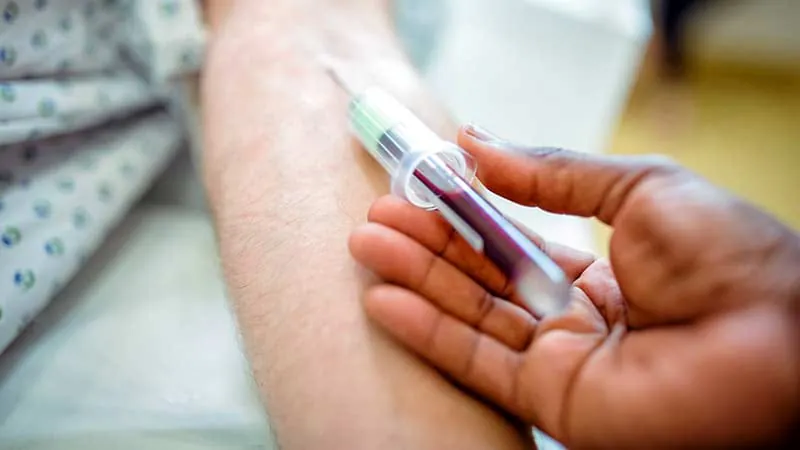
GLP-1s are reshaping obesity care, but the scale isn't the whole story. Primary care physicians are being urged to prioritize routine lab work — before, during, and after starting these medications — to monitor kidney function, liver health, metabolic markers, and more. Tracking biomarkers not only catches complications early but also keeps patients motivated when weight loss stalls.
GLP-1 receptor agonists have become a cornerstone of obesity treatment, but safe prescribing goes well beyond tracking the number on the scale. Primary care physicians are being called on to use routine lab work as a critical tool — establishing a baseline before starting therapy and monitoring key health markers throughout treatment.
Before initiating a GLP-1, clinicians should check A1c, fasting glucose, kidney function (creatinine/eGFR), liver enzymes, and a lipid panel. Patients with hypertension or type 2 diabetes should also get a urine albumin-to-creatinine ratio. During treatment, follow-up frequency should be risk-stratified — more frequent checks for older adults, those with chronic kidney disease, or patients on diuretics, who face higher dehydration-related risks of acute kidney injury.
When weight loss plateaus, labs can help rule out reversible causes like hypothyroidism, worsening glycemic control, or medication-induced weight gain — rather than defaulting to assumptions of nonadherence.
Key Takeaways:
Why it matters: As GLP-1 prescriptions surge, structured lab monitoring helps PCPs catch complications early, personalize care, and give patients a fuller picture of their health beyond weight alone.