Curie Brief
Turn on cookies to sign in
Signing in saves your progress to your Curie account. We can only do that with cookies on — turn them on to continue.
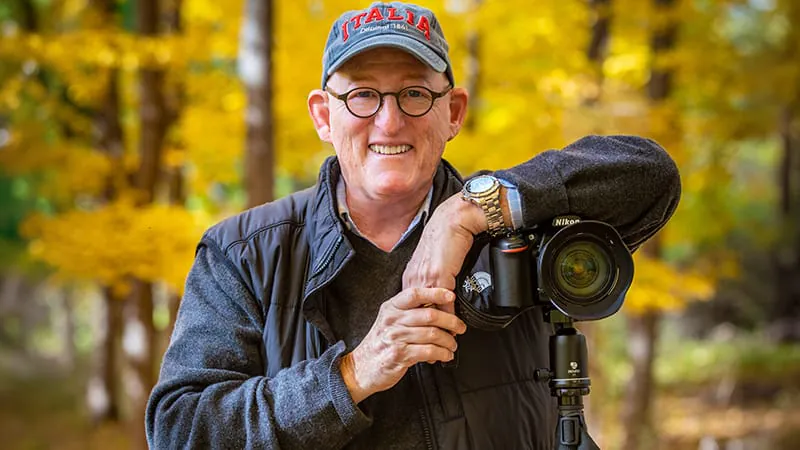
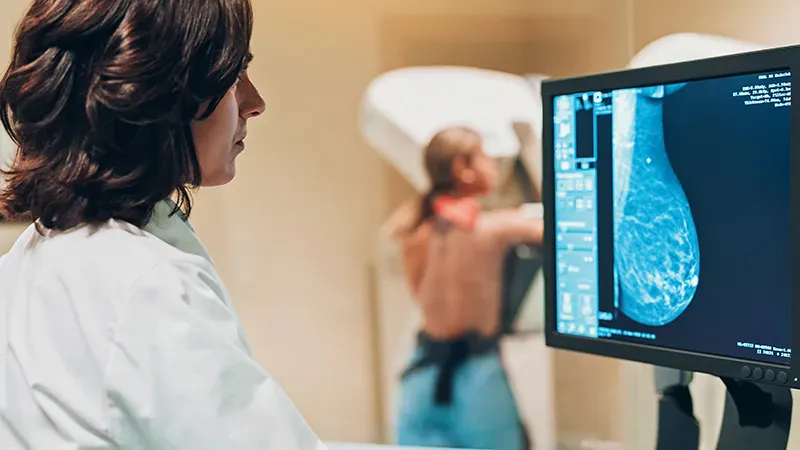
A retired radiologist shares how dogged follow-up on unexpected imaging findings — even when it annoyed colleagues — led to early cancer diagnoses that might otherwise have been missed. Dr. Harry Agress Jr. tracked concerning cases in a personal Excel spreadsheet and pushed for repeat procedures when results didn't add up. His approach is now a formal teaching program for radiology residents at Weill Cornell.
Retired diagnostic radiologist Dr. Harry Agress Jr. spent 36 years learning that the best patient care sometimes means making yourself unpopular. In a candid first-person account, he describes two pivotal cases: a lung cancer patient whose incidental PET finding turned out to be early-stage breast cancer, and a facial cancer patient whose suspicious rectal finding — initially missed on colonoscopy — was later confirmed as primary rectal cancer. In both cases, Agress pushed past resistance from colleagues and patients to ensure the right follow-up happened.
What set Agress apart wasn't just clinical instinct — it was a system. He built a personal Excel spreadsheet to track patients with unexpected imaging findings, logging names, diagnoses, and pending biopsy results. Every few weeks, he'd review it and follow up with referring physicians if results hadn't come in. The habit, he says, became "the single best learning tool" of his career and ultimately strengthened his relationships with colleagues over time.
Key Takeaways:
Why it matters: Incidental findings on imaging are common, but acting on them isn't always straightforward. This story highlights how a culture of accountability and persistence in radiology can directly translate to earlier diagnoses and better patient outcomes — and how that mindset can be taught.