Curie Brief
Turn on cookies to sign in
Signing in saves your progress to your Curie account. We can only do that with cookies on — turn them on to continue.
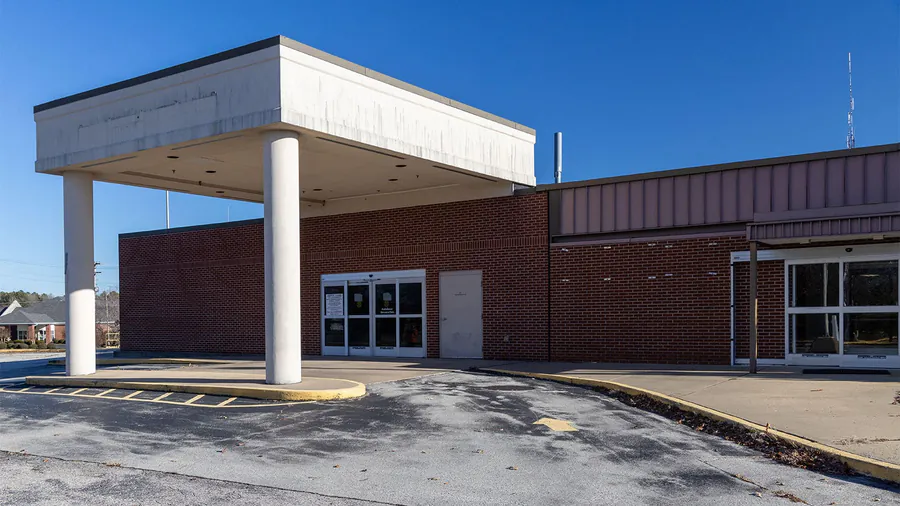
Rural America's healthcare crisis is getting worse — and federal policy isn't helping. With 193 rural hospital closures since 2005, Medicaid cuts of $911 billion over a decade, and new barriers to hiring international physicians, tens of millions of rural Americans face shrinking access to care. Experts warn the $50B Rural Health Transformation Program falls far short of plugging the gap.
Rural America was already struggling with a healthcare access crisis — and recent federal policy moves are making things worse. About 66 million Americans live in rural communities where geography increasingly determines the quality and timeliness of care. The CDC found that the rural-urban mortality gap widened from 7% in 1999 to 20% by 2019, with rural residents dying at higher rates from heart disease, cancer, stroke, and other preventable causes.
The infrastructure holding rural healthcare together is crumbling fast. Since 2005, 193 rural hospitals have closed, and over 700 more — roughly one-third of all rural facilities — are at risk. The share of rural hospitals offering obstetric services dropped from 57% in 2010 to 48% in 2022. The 2025 budget reconciliation law is projected to cut $911 billion from Medicaid over a decade, with an estimated $137 billion of that hitting rural areas specifically — threatening the very financing that keeps many rural hospitals alive.
The administration's $50B Rural Health Transformation Program offers some relief, but it covers only about one-third of projected Medicaid losses and lasts just five years. Meanwhile, a proposed H-1B visa petition fee of over $100K could further limit rural hospitals' ability to recruit international physicians — a workforce they disproportionately rely on.
By the Numbers:
Why it matters: Without stable Medicaid funding, expanded training pipelines, and a welcoming path for international clinicians, rural communities risk losing the last threads of their healthcare safety net — with life-or-death consequences for millions of Americans.