Curie Brief
Turn on cookies to sign in
Signing in saves your progress to your Curie account. We can only do that with cookies on — turn them on to continue.
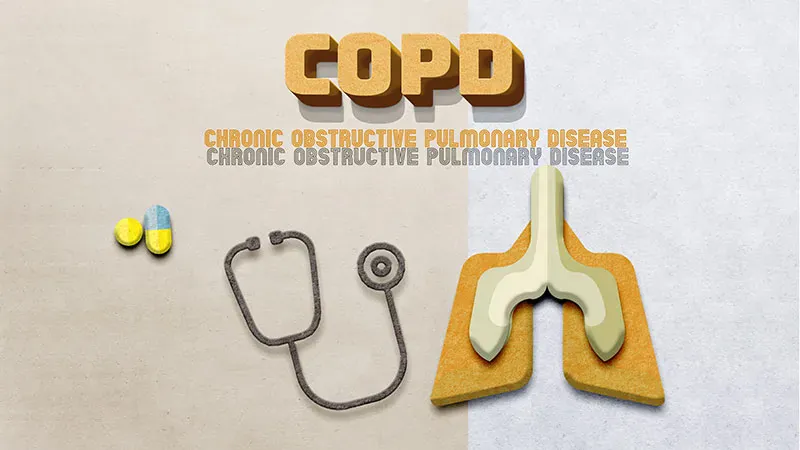
Dupilumab works for COPD patients whether they smoke or not. A pooled analysis of two phase 3 trials found that dupilumab reduced exacerbations, improved lung function, and boosted quality of life in COPD patients regardless of smoking status. The findings reinforce that active smoking alone shouldn't disqualify eligible patients from this FDA-approved treatment.
Dupilumab works for COPD patients whether they smoke or not
A new pooled analysis of two major phase 3 trials — BOREAS and NOTUS — found that dupilumab delivered consistent benefits for adults with COPD across both current and former smokers. Exacerbation rates dropped by 32% in both groups compared to placebo after 52 weeks, and lung function improvements were seen as early as 12 weeks. This matters because smoking can blunt the effectiveness of standard anti-inflammatory therapies like inhaled corticosteroids — but dupilumab targets a different inflammatory pathway, which may explain why it holds up across smoking groups.
Experts note that while some outcomes were numerically less robust in current smokers, the overall picture is reassuring for clinical practice. Dupilumab was FDA-approved for COPD in 2024 regardless of smoking status, and this analysis adds real-world confidence to that label.
By the Numbers
Why it matters: Active smoking alone should not automatically exclude an otherwise appropriate COPD patient from dupilumab — but experts stress it should complement, not replace, smoking cessation efforts, which remain the most important disease-modifying intervention in COPD.