Curie Brief
Turn on cookies to sign in
Signing in saves your progress to your Curie account. We can only do that with cookies on — turn them on to continue.
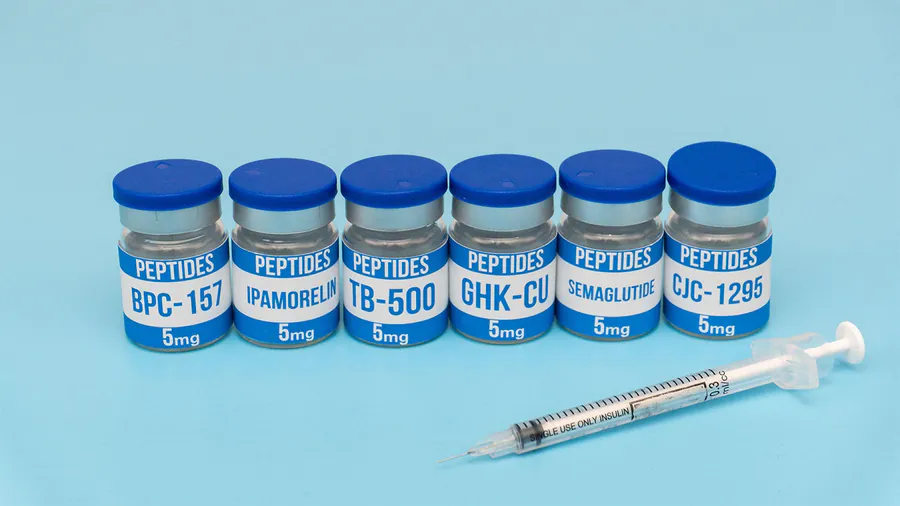
Experimental peptides are having a moment, but the hype far outpaces the evidence. Influencers, longevity doctors, and MAHA movement leaders are pushing unproven peptide supplements — and a White House-backed policy could soon let pharmacies sell them without FDA approval. Scientists warn that skipping clinical trials puts the public at real risk.
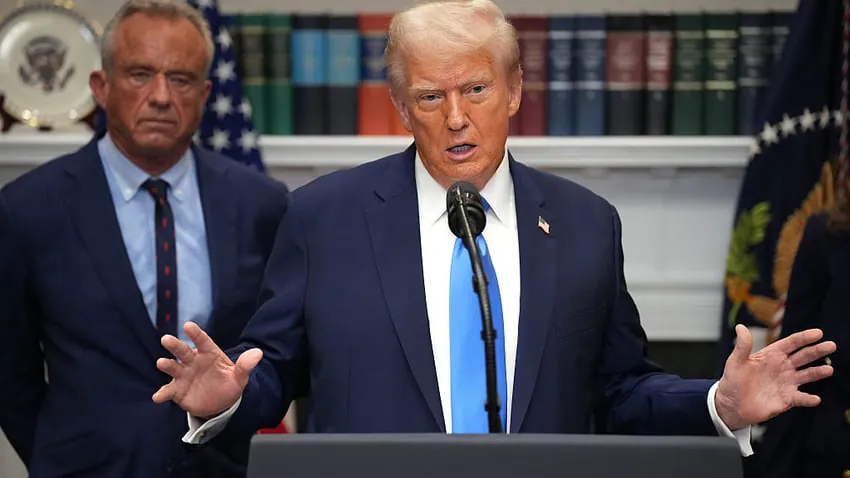
Experimental peptides — short chains of amino acids touted for anti-aging, injury recovery, and "body optimization" — have exploded in popularity, fueled by influencers, longevity clinics, and the MAHA movement led by HHS Secretary Robert F. Kennedy Jr. A White House access policy proposed in October would allow licensed pharmacies to compound and sell certain unapproved peptides, despite FDA scientists warning the drugs haven't been adequately tested in clinical trials.
KFF Health News breaks down four misleading claims driving the peptide craze: that peptides aren't drugs (they are, by definition), that they're safe because they're "natural" (natural doesn't mean safe), that they treat real conditions like reflux or IBD (evidence is thin to nonexistent), and that Big Pharma blocks them because they can't be patented (hundreds of peptide patents exist). The one truth? Americans genuinely are overburdened by healthcare costs and poor health outcomes — but unproven treatments aren't the answer.
Key Takeaways:
Why it matters: Without rigorous clinical trials, consumers have no reliable way to know if these peptides are safe or effective. Loosening regulatory guardrails now could expose millions of people to untested substances while simultaneously undermining the incentive to ever study them properly.