Curie Brief
Turn on cookies to sign in
Signing in saves your progress to your Curie account. We can only do that with cookies on — turn them on to continue.
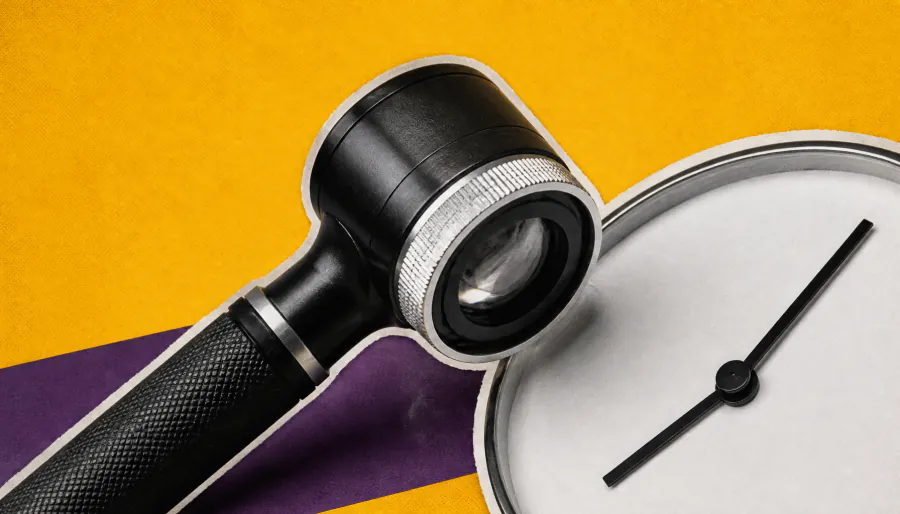
An autonomous AI device managed 94% of urgent suspected skin cancer referrals across two U.K. hospitals, safely discharging over a quarter of patients without a dermatologist ever stepping in. The device achieved over 97% sensitivity for malignancy and saved an estimated 2,850 clinician hours — the equivalent of 8,500 face-to-face appointments — over just 16 months.
The U.K.'s dermatology services are under serious strain — urgent suspected skin cancer referrals have tripled since 2009, yet about 1 in 4 dermatologist posts remain unfilled. Into that gap steps an autonomous AI device that, over 16 months at two NHS hospital sites, managed 94% of those referrals and safely discharged more than a quarter of patients without any clinician review.
The device works by validating lesions using dermoscopic imaging and quality assessment, then classifying them by risk. Benign cases get discharged automatically with safety-netting advice; high-risk cases are escalated to a teledermatologist. Across 8,391 patients of all skin types, the AI achieved a sensitivity for malignancy exceeding 97% — with only six false negatives total — and boosted clinical capacity by an estimated 62%.
By the Numbers:
Why it matters: With dermatology demand rising and specialist shortages deepening, AI-driven triage could be a scalable solution — redirecting scarce expertise to the patients who need it most and meaningfully reducing unnecessary procedures.