Curie Brief
Turn on cookies to sign in
Signing in saves your progress to your Curie account. We can only do that with cookies on — turn them on to continue.
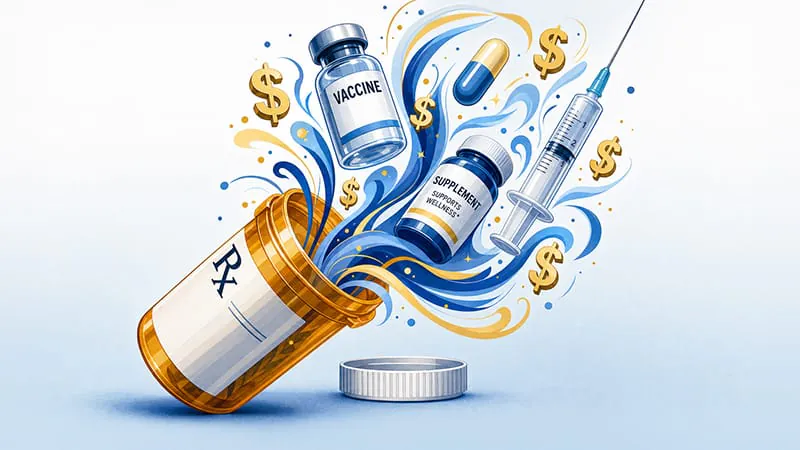
Medical misinformation isn't just a knowledge problem — it's a psychology problem. A new Medscape piece breaks down why patients believe unsupported health claims and offers clinicians practical tools to rebuild trust, from pre-bunking misinformation to leaning into storytelling and active listening.
When patients walk in convinced that vaccines are harmful or that a supplement they found online beats their prescribed medication, clinicians often reach for facts and data — only to find that evidence alone rarely changes minds. That's because beliefs aren't purely rational: they fulfill deep psychological needs like identity, agency, and the desire to make sense of uncertainty.
A 2026 survey of over 1,000 US physicians found that 99.9% had encountered patients influenced by misinformation in the past year. Social media amplifies the problem — about 40% of US adults get health information from podcasts or influencers, and even a single exposure to a false headline can increase belief in it. Wellness influencers often win trust not through accuracy, but through warmth and relatability — qualities that a rushed clinician may struggle to project.
Key Takeaways:
Why it matters: Misinformation erodes treatment adherence and public health outcomes. But the good news is that patients still rank their own doctor as their most trusted health messenger — meaning clinicians have a real opportunity to reclaim that trust through better communication, not just better data.