Curie Brief
Turn on cookies to sign in
Signing in saves your progress to your Curie account. We can only do that with cookies on — turn them on to continue.
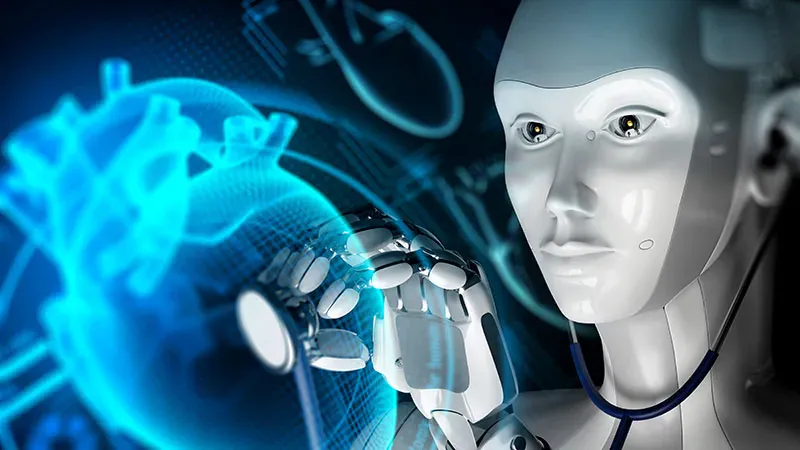
Smart monitoring hits a wall in heart failure care. A new randomized trial (LINK-HF2) found that AI-powered wearable patches could detect physiologic changes in recently discharged heart failure patients, but didn't actually reduce rehospitalizations or deaths. The takeaway: detecting risk isn't enough — clinicians need better tools to act on those alerts meaningfully.
Smart monitoring hits a wall in heart failure care
A new randomized trial called LINK-HF2 tested whether AI-powered wearable chest patches could keep recently discharged heart failure patients out of the hospital. The study enrolled 171 veterans (mean age 72.6 years) across five VA medical centers, with half receiving AI-generated alerts sent directly to their clinicians and half serving as controls. Patients wore the sensor for a median of 72% of follow-up days, and clinicians responded to alerts within a median of just one day — showing the system was feasible in practice.
Despite that responsiveness, the intervention didn't move the needle on outcomes. Rates of heart failure rehospitalization, all-cause emergency visits, and mortality were statistically similar between the two groups. A post hoc analysis did show the AI group had lower rates of detected physiologic instability, but the finding lost significance when accounting for competing risks like death.
Key Takeaways
Why it matters: As AI-enabled remote monitoring expands in cardiology, this trial is a critical reminder that technology is only as effective as the clinical workflows built around it. Detecting a problem and solving it are two very different things.