Curie Brief
Turn on cookies to sign in
Signing in saves your progress to your Curie account. We can only do that with cookies on — turn them on to continue.
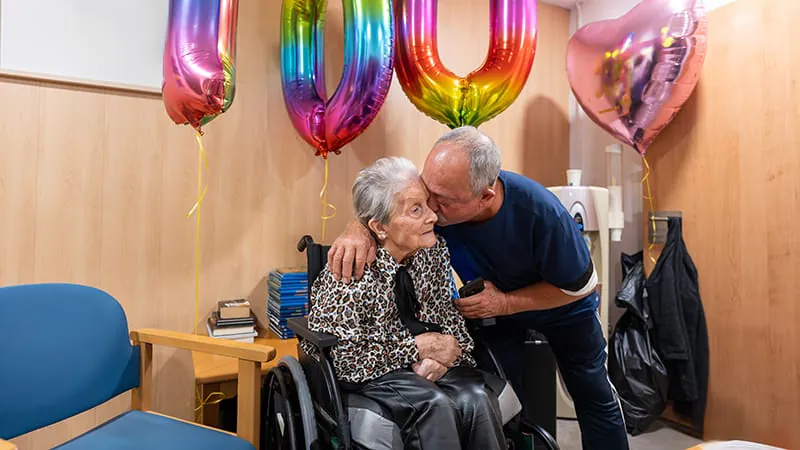
Turns out, longevity runs in the family — mostly. A landmark 29-year study found that children of centenarians are 42% less likely to die at any given age and significantly less likely to develop heart disease or hypertension. But here's the twist: they showed no extra protection against cancer, leaving researchers with a fascinating puzzle to unravel.
A major longitudinal study published in JAMA Network Open followed over 5,000 participants across three populations for up to 29 years, comparing children of centenarians with peers whose parents had typical lifespans. The findings confirm that exceptional longevity is at least partly heritable — and the protection goes well beyond healthy habits.
Even after adjusting for lifestyle factors like diet, exercise, and smoking, children of centenarians showed dramatically lower risks of death, cardiovascular disease, and hypertension. When disease did strike, it arrived years later. But cancer incidence was no different from the control group — a result that surprised the research team and sparked competing theories, from over-screening of healthy older adults to the idea that inherited cardiovascular resilience (particularly robust endothelial health) simply doesn't extend to cancer biology.
By the Numbers:
Why it matters: Understanding what makes centenarians' offspring biologically resilient could unlock new drug targets for aging — including a growth hormone receptor antagonist currently in preclinical development. For clinicians, the findings reinforce that genetics plays a powerful, independent role in longevity beyond lifestyle interventions alone.