Curie Brief
Turn on cookies to sign in
Signing in saves your progress to your Curie account. We can only do that with cookies on — turn them on to continue.
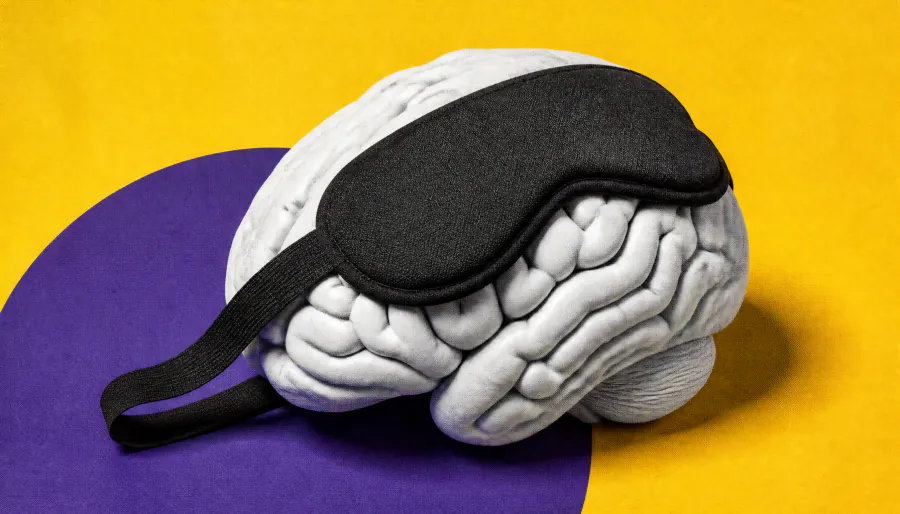
A surprising new study flips the script on Alzheimer's sleep loss. University of Kentucky researchers found that overactive brain immune cells (microglia), not amyloid plaques, are the main culprits behind disrupted sleep. By temporarily removing 87% of these cells in mice, the team restored over two hours of sleep per day — without touching a single plaque.
Scientists at the University of Kentucky have made a "paradigm-shifting" discovery about why Alzheimer's disease disrupts sleep — and it's not what most researchers expected. Rather than amyloid plaques being the primary driver, the real troublemaker appears to be microglia, the brain's own immune cells. When microglia detect plaques, they can trigger an excessive inflammatory response that keeps the brain in a hyperactive state, effectively preventing restful sleep.
In mouse models of Alzheimer's, researchers temporarily depleted 87% of microglia using a drug called Pexidartinib. The result? The mice gained more than two hours of sleep per day and spent significantly more time in deep, restorative NREM sleep — all without any reduction in amyloid plaque levels. The team also found that sleep disruption appeared early in the disease and didn't worsen as plaques accumulated, suggesting the initial immune response is the critical trigger.
Key Takeaways:
Why it matters: Poor sleep in Alzheimer's isn't just a quality-of-life issue — it may accelerate disease progression by impairing the brain's waste-clearance processes. If calming overactive microglia can restore sleep without removing plaques, it opens a new therapeutic avenue that could improve cognition and quality of life earlier in the disease course.