Curie Brief
Turn on cookies to sign in
Signing in saves your progress to your Curie account. We can only do that with cookies on — turn them on to continue.
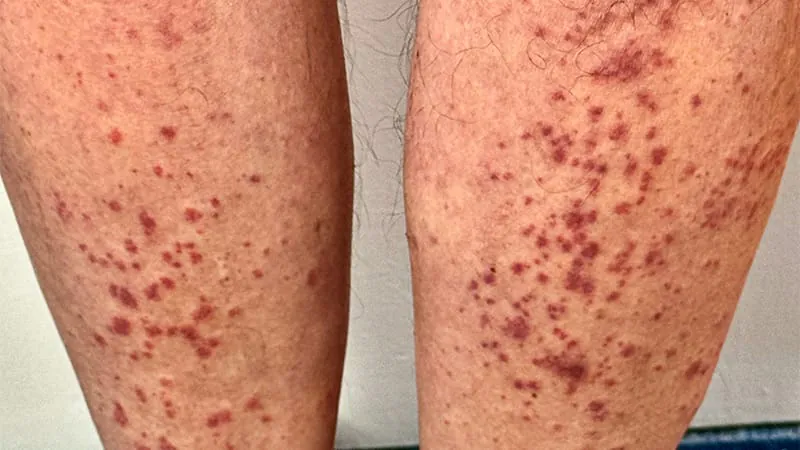
A real-world Italian study found that avacopan, used alongside standard immunosuppressive therapy, helped nearly all vasculitis patients achieve clinical remission within a year. Steroid doses dropped dramatically, and kidney function improved significantly. The findings add meaningful real-world weight to what clinical trials had already suggested.
A prospective observational study across 18 Italian centers tracked 46 patients with ANCA-associated vasculitis (granulomatosis with polyangiitis or microscopic polyangiitis) who were treated with avacopan alongside rituximab and/or cyclophosphamide over 52 weeks. The results were striking: clinical remission rates climbed from 78% at week 12 to 97% by week 52, while average glucocorticoid doses dropped from 23 mg/day at baseline to just 5 mg/day within the first three months.
Kidney outcomes were equally encouraging. Among the 32 patients with kidney involvement, median estimated glomerular filtration rate nearly doubled — jumping from 30.5 to 53.5 mL/min/1.73 m² by week 52. Patient-reported quality of life also improved early and was sustained throughout the study period.
By the Numbers:
Why it matters: These real-world findings reinforce avacopan's potential as a steroid-sparing cornerstone of vasculitis treatment, offering patients a path to remission with significantly less reliance on glucocorticoids — and their well-known long-term side effects.