Curie Brief
Turn on cookies to sign in
Signing in saves your progress to your Curie account. We can only do that with cookies on — turn them on to continue.
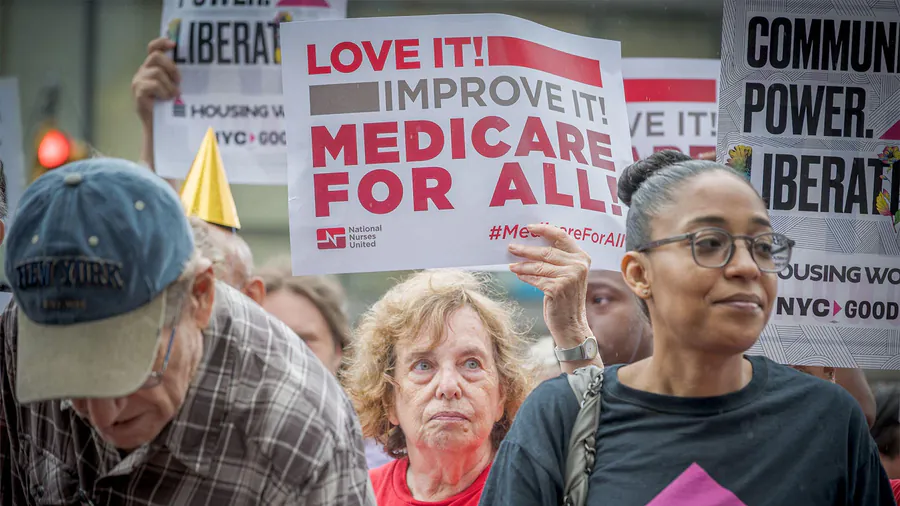
Medicare for All is back in the political spotlight, with nearly 60% of Americans now in favor. But turning that catchy slogan into actual law is a whole different story. From financing a $5.7 trillion healthcare system to navigating fierce industry lobbying, the path to universal coverage is anything but straightforward.
Medicare for All is having a moment. With 60% of Americans — and 85% of Democrats — backing the idea in a 2025 poll, the push for universal healthcare is louder than ever. Politicians like Michigan's Abdul El-Sayed and Texas's James Talarico are making it central to their platforms, and Sen. Chris Van Hollen recently added his support, citing an "unaffordable and unsustainable" system drowning in rising premiums and copays.
But here's the catch: "Medicare for All" means very different things to different people. Some envision a comprehensive, no-cost plan covering dental and vision. Others, like MIT economist Amy Finkelstein, argue the realistic version looks more like a "shack, not a chateau" — a government-funded basic plan with limits on services, supplemented by private coverage.
The financing challenge is enormous. U.S. healthcare spending hit a projected $5.7 trillion in 2025, and the U.S. spends twice as much per person as peer nations. Estimated costs for a full Medicare for All program run as high as $40 trillion over 10 years, and powerful lobbying forces — insurers, hospitals, and drug makers — spent over $700 million in 2022 alone to protect the status quo.
By the Numbers:
Why it matters: Medicare for All is no longer a fringe idea — it's a mainstream policy debate with real electoral stakes. For healthcare providers and policymakers, the conversation is shifting from whether to reform the system to how, making it critical to understand the trade-offs ahead.