Curie Brief
Turn on cookies to sign in
Signing in saves your progress to your Curie account. We can only do that with cookies on — turn them on to continue.
Scientists at Mount Sinai have identified TIMP2, a protein linked to youth, as a key player in keeping the brain's immune cells healthy as we age. When restored in older mice, TIMP2 helped microglia clear cellular debris more effectively and reduced inflammation — two hallmarks of brain aging and Alzheimer's disease. The findings, published in Nature Communications, open a promising new avenue for treating age-related neurological disorders.
Scientists at the Icahn School of Medicine at Mount Sinai have discovered that a protein called TIMP2 — previously linked to youthfulness in the blood — plays a critical role in keeping the brain's immune cells, known as microglia, functioning properly as we age. The study, published in Nature Communications, found that when TIMP2 was removed from mice, microglia took on characteristics associated with aging and neurodegeneration: reduced debris-clearing ability, increased inflammation markers, and signs of cellular senescence.
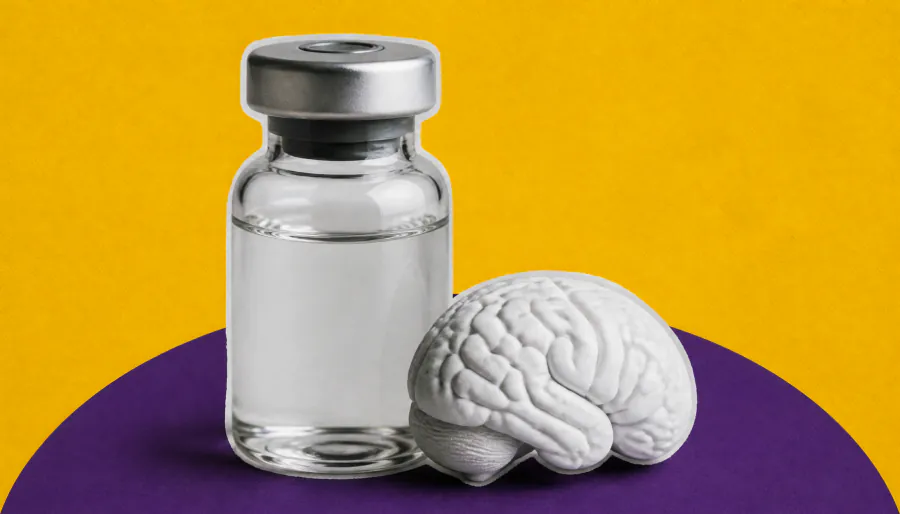
The exciting part? When researchers restored TIMP2 through injections in older mice, the aging microglia bounced back — clearing debris more effectively and showing fewer signs of harmful inflammation. This suggests that youth-associated proteins circulating in the body may directly influence the brain's immune defenses.
Key Takeaways
Why it matters: Aging is the #1 risk factor for Alzheimer's disease, and dysfunctional microglia are increasingly implicated in its progression. Identifying TIMP2 as a potential regulator of microglial health gives researchers a compelling new therapeutic target — though human studies are still needed to confirm these effects.