Curie Brief
Turn on cookies to sign in
Signing in saves your progress to your Curie account. We can only do that with cookies on — turn them on to continue.
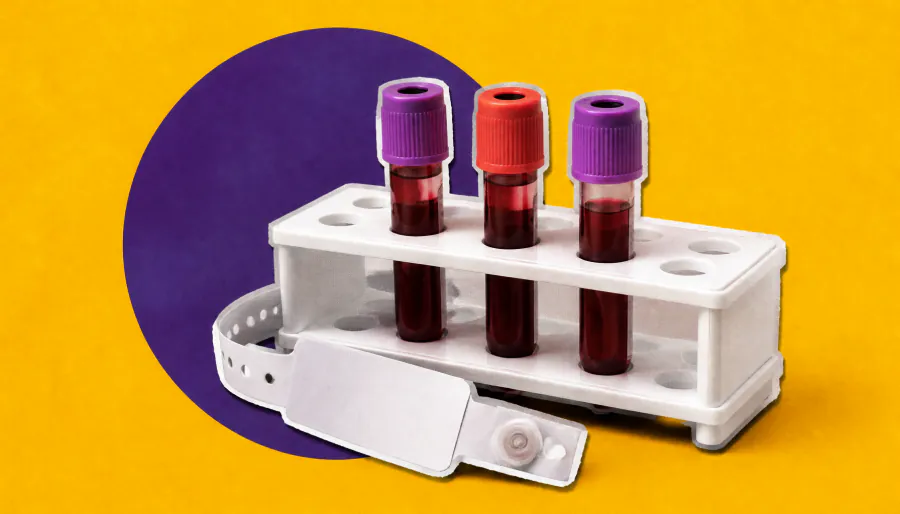
An international panel endorsed by 20 diabetes organizations is calling for general population screening for type 1 diabetes (T1D) — not just high-risk individuals. Published in Diabetologia, the guidance recommends testing children at ages 2–4, 6–8, and 10–15 for islet autoantibodies. The goal: catch T1D early, prevent dangerous diabetic ketoacidosis at diagnosis, and connect patients to emerging therapies before insulin dependence sets in.
An international expert panel, convened by Breakthrough T1D and endorsed by 20 global diabetes organizations, has published a landmark consensus in Diabetologia calling for general population screening for type 1 diabetes (T1D). The guidance recommends testing children for islet autoantibodies (IAbs) at ages 2–4, 6–8, and 10–15 — a major shift from the current practice of screening only family members or those with known genetic risk. The rationale is clear: roughly 85–90% of people who develop T1D have no family history, meaning targeted screening alone misses the vast majority of cases.
The consensus emphasizes that infrastructure must come before screening — countries need systems in place to confirm positive results, monitor early-stage patients, and provide psychosocial support before launching broad programs. Spain has proposed a structured care pathway along similar lines, and Italy's existing program has demonstrated a meaningful reduction in diabetic ketoacidosis (DKA) at diagnosis. Not everyone is aligned yet: the ADA currently recommends only targeted screening, and the AAP has not issued formal guidance.
Key Takeaways:
Why it matters: Early T1D detection can prevent life-threatening DKA at diagnosis, open doors to disease-modifying therapies, and potentially delay full insulin dependence — but only if healthcare systems build the infrastructure to act on what screening reveals.