Curie Brief
Turn on cookies to sign in
Signing in saves your progress to your Curie account. We can only do that with cookies on — turn them on to continue.
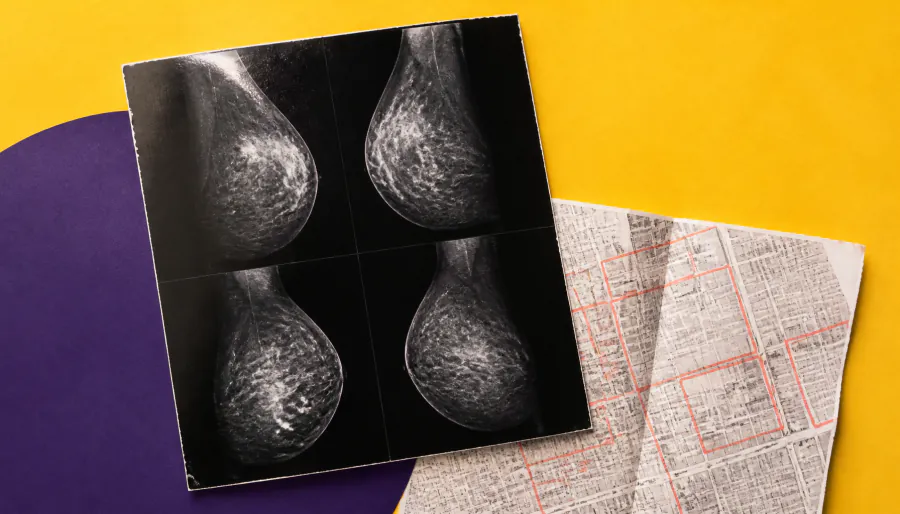
A legacy of discrimination is still showing up in mammogram rates. Women in historically redlined communities have 6% lower odds of getting breast cancer screenings compared to those in top-graded neighborhoods — and proximity to screening facilities isn't the fix. Researchers say broader structural investments in these communities are urgently needed.
Nearly 60 years after redlining was banned, its shadow still falls over women's health. A new study published in JAMA Network Open found that women living in historically redlined ("D"-graded) neighborhoods have significantly lower breast cancer screening rates than those in top-graded ("A") areas — even after accounting for current social vulnerability and neighborhood conditions. Researchers analyzed data from over 1,150 census tracts across Kansas and Missouri between 2016 and 2024.
What's striking: screening facilities were often located near these redlined areas, yet uptake remained low. That tells researchers that access alone isn't the problem — deep-rooted structural and social barriers are still at play. Poverty and lower educational attainment together explained about 70% of the screening gap between "A" and "D" tracts.
By the Numbers:
Why it matters: Breast cancer is diagnosed in 1 in 8 women — with even higher rates among Black women. Closing this screening gap requires more than building clinics nearby; it demands place-based outreach, policy investment, and long-overdue community reinvestment in historically neglected neighborhoods.