Curie Brief
Turn on cookies to sign in
Signing in saves your progress to your Curie account. We can only do that with cookies on — turn them on to continue.
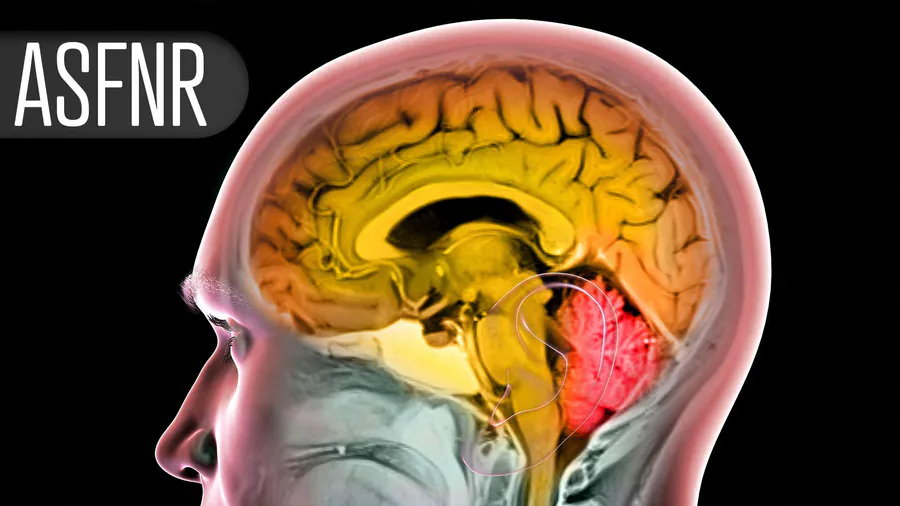
Real-world Alzheimer's drug monitoring looks promising. A new study found that patients on lecanemab (Leqembi) experienced lower rates of amyloid-related imaging abnormalities (ARIA) than those in clinical trials. The findings highlight how close collaboration between neurologists and radiologists is critical to safely managing patients on this Alzheimer's therapy.
Real-world lecanemab data show lower ARIA rates — and a teamwork lesson for clinics
A real-world study called LEADER found that Alzheimer's patients treated with lecanemab (Leqembi) experienced amyloid-related imaging abnormalities (ARIA) at rates lower than those seen in the pivotal phase III CLARITY AD trial. ARIA, a known side effect of anti-amyloid drugs, can range from asymptomatic to, in rare cases, fatal, and requires regular MRI monitoring throughout treatment.
The interim analysis covered 432 patients with early Alzheimer's disease across 12 real-world clinical sites — including general neurologists who had no prior experience with lecanemab. Despite that, they successfully implemented the drug and monitored patients safely, underscoring that the therapy is manageable beyond specialized academic centers.
By the Numbers
Why it matters: As lecanemab becomes more widely prescribed — including a newly FDA-approved subcutaneous form — these findings offer reassurance that real-world ARIA rates may be lower than trial data suggested. They also send a clear message: neurologist-radiologist communication isn't optional; it's essential for patient safety.