Curie Brief
Turn on cookies to sign in
Signing in saves your progress to your Curie account. We can only do that with cookies on — turn them on to continue.
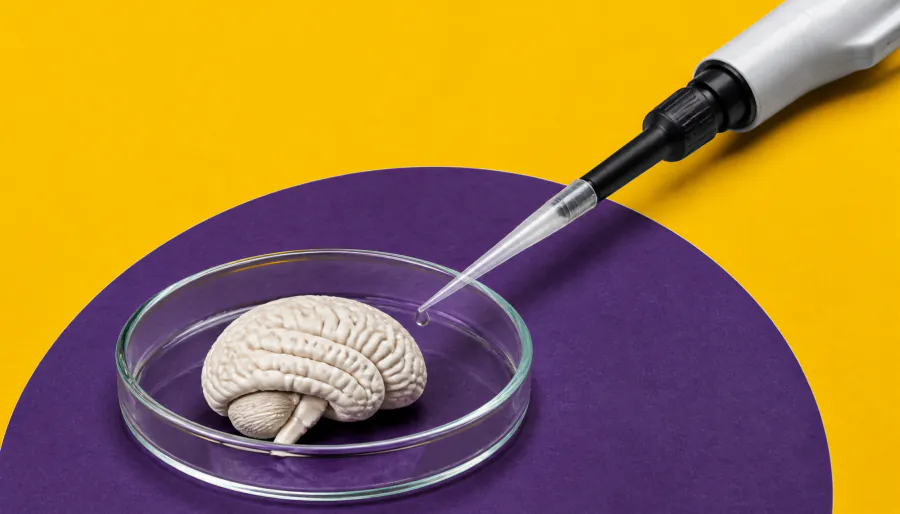
Unconscious but still processing: Baylor researchers found that the brain continues to analyze language, categorize words, and even predict upcoming sentences during general anesthesia. Published in Nature, the study used cutting-edge Neuropixels probes to record hippocampal neuron activity in epilepsy surgery patients. The findings challenge long-held assumptions about consciousness and could open new doors for speech prosthetics and brain-computer interfaces.
Think being under anesthesia means your brain clocks out? Think again. Researchers at Baylor College of Medicine have discovered that the human brain continues to perform surprisingly sophisticated tasks — analyzing language, categorizing words, and even predicting what comes next in a sentence — all while a person is fully unconscious under general anesthesia. The findings, published in Nature, fundamentally challenge what scientists thought they knew about the relationship between consciousness and cognition.
The team studied epilepsy surgery patients using Neuropixels probes — ultra-precise devices capable of recording electrical signals from hundreds of individual neurons simultaneously in the hippocampus. In one experiment, the unconscious brain learned to better distinguish unexpected sounds over time, a sign of neural plasticity. In another, hippocampal neurons responded to different word categories (nouns, verbs, adjectives) and even anticipated upcoming words in a story — a process called predictive coding, typically associated with waking, attentive minds.
Key Takeaways
Why it matters: If the unconscious brain can still process language this richly, it raises profound questions about what consciousness actually does — and opens exciting possibilities for brain-computer interfaces that could restore communication for stroke or injury patients.