Curie Brief
Turn on cookies to sign in
Signing in saves your progress to your Curie account. We can only do that with cookies on — turn them on to continue.
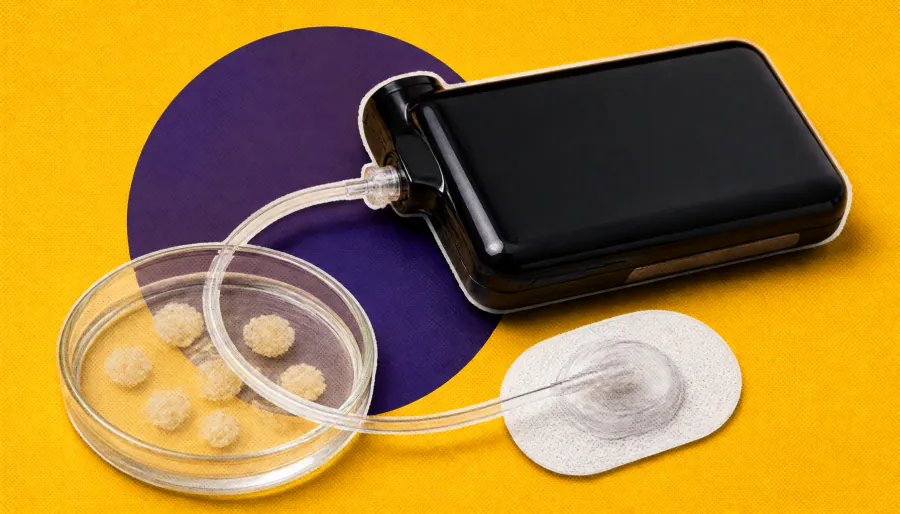
The future of type 1 diabetes treatment is looking increasingly promising, thanks to rapid advances in three key areas: smart diabetes technology, immunotherapies, and stem cell research. Speaking at the Breakthrough T1D Clinical and Research Congress, Dr. Chantal Mathieu outlined how AI-powered insulin pumps, disease-modifying drugs like teplizumab, and beta cell transplantation could soon transform — and potentially cure — the disease.
The treatment of type 1 diabetes is on the cusp of a major transformation. At the Breakthrough T1D Clinical and Research Congress, Dr. Chantal Mathieu of KU Leuven outlined three converging frontiers — smart technology, immunotherapy, and stem cell science — that are reshaping how the disease is managed and, potentially, how it could one day be cured.
On the technology front, AI-powered insulin pumps are rapidly evolving into what experts call an "artificial pancreas" — systems that continuously monitor glucose and automatically adjust insulin delivery based on meals, exercise, and other real-time signals. Meanwhile, the approval of teplizumab (Tzield) to delay type 1 diabetes onset has made early screening more critical than ever, with Italy already mandating childhood screening by law. And in stem cell research, pluripotent stem cell technology now enables large-scale production of beta cells, raising hopes for a functional cure.
Key Takeaways:
Why it matters: These advances signal a shift from managing type 1 diabetes to potentially preventing and curing it — a milestone that could dramatically improve quality of life for millions worldwide.