Curie Brief
Turn on cookies to sign in
Signing in saves your progress to your Curie account. We can only do that with cookies on — turn them on to continue.
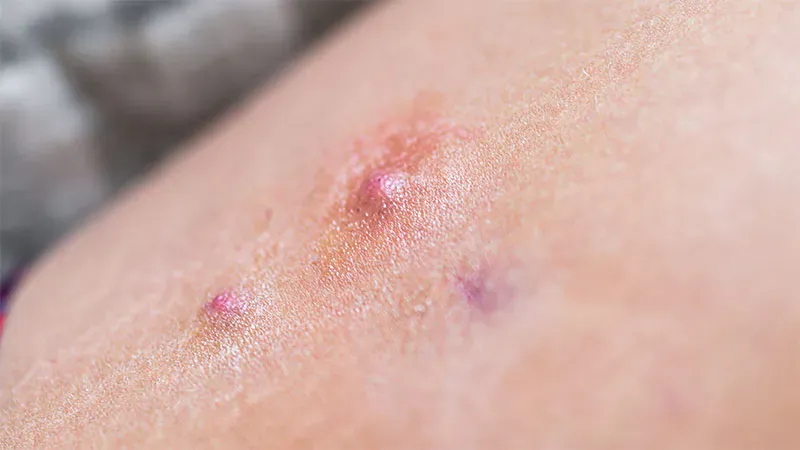
Patients with hidradenitis suppurativa (HS) are turning to GLP-1 receptor agonists earlier and more frequently than those with psoriasis, likely driven by a heavier cardiometabolic burden. A large Danish registry study found HS patients started these drugs at a younger age and saw declines in surgeries and HS-specific antibiotic use — though non-users showed similar trends, leaving the true disease-modifying effect of GLP-1s in HS still unclear.
Patients with hidradenitis suppurativa (HS) are reaching for GLP-1 receptor agonists (RAs) more often and at a younger age than those with psoriasis or the general population, according to a large Danish registry study. Researchers analyzed data from over 12,500 adults with HS and found that 8.2% initiated GLP-1 RA therapy — compared to 5.7% of psoriasis patients and just 3.2% of the general population — and did so nearly a decade earlier on average.
The higher uptake likely reflects the heavier cardiometabolic burden in HS patients: at the time of GLP-1 RA initiation, 60.5% of HS patients had type 2 diabetes. Among continuous GLP-1 RA users, surgical procedures and HS-specific antibiotic use both declined after treatment — but so did those metrics in matched non-users, making it difficult to attribute the improvements to the drug itself.
By the Numbers:
Why it matters: GLP-1 RAs are gaining traction across dermatologic conditions, but whether they actually alter the course of HS remains unproven. Randomized trials are urgently needed to separate true disease modification from background trends.