Curie Brief
Turn on cookies to sign in
Signing in saves your progress to your Curie account. We can only do that with cookies on — turn them on to continue.
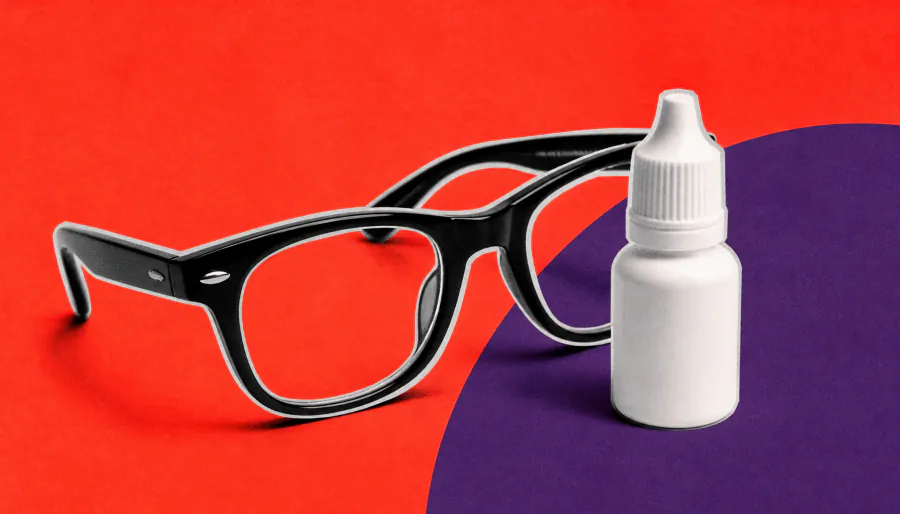
Childhood myopia is on track to affect 50% of the global population by 2050, and the stakes go far beyond needing glasses. From FDA-authorized spectacle lenses to low-dose atropine and specialty contacts, multiple proven tools exist to slow progression — but the U.S. has been slow to embrace them. Experts say it's time to act urgently and use every available option.
Childhood myopia isn't just a glasses problem — it's a growing public health crisis. Currently, 25% of the global population is myopic, and that figure is projected to hit 50% by 2050. Beyond blurry vision, each diopter of myopia raises the risk of myopic macular degeneration by 40–60% and glaucoma by 20%, making early intervention critical.
The good news? Multiple evidence-backed treatments can slow myopia progression. Low-dose atropine (studied in the CHAMP trial), specialty contact lenses, orthokeratology, and — most recently — FDA-authorized spectacle lenses are all in the toolkit. The Stellest lens from Essilor, authorized in 2025, showed the strongest myopia-slowing effect in a meta-analysis of 23 randomized controlled trials involving 13,000 children. Yet the U.S. still hasn't approved any pharmacologic therapy, despite drugs like SYD-101 meeting FDA's own benchmarks.
Key Takeaways:
Why it matters: With half the world's children potentially facing vision-threatening myopia, clinicians and regulators need to move faster — embracing all proven modalities and tailoring treatment to each patient's social, economic, and educational context.