Curie Brief
Turn on cookies to sign in
Signing in saves your progress to your Curie account. We can only do that with cookies on — turn them on to continue.
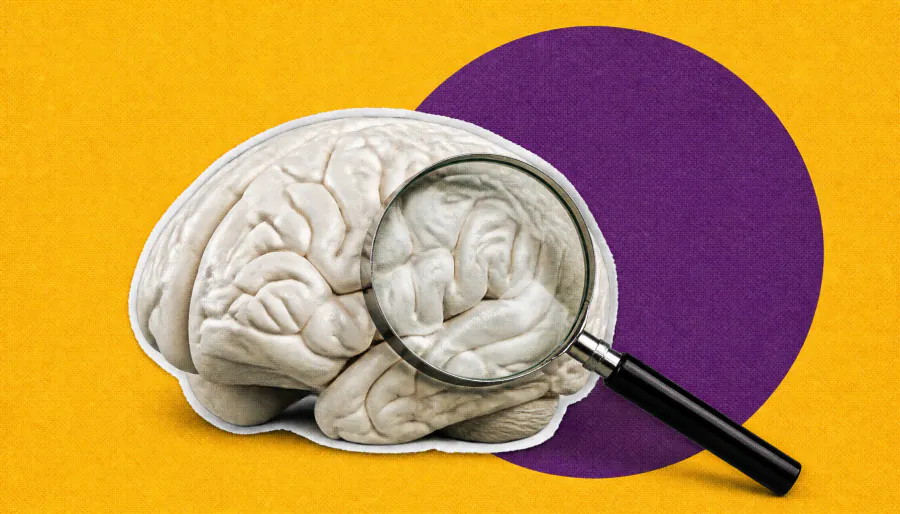
A peptide called P3, long dismissed as harmless, may be a secret contributor to Alzheimer's disease. UC Santa Cruz researchers found it forms protein clumps even faster than amyloid beta and may also damage neurons. The discovery challenges decades of research and could open entirely new doors for treatment.
For decades, Alzheimer's research has been laser-focused on amyloid beta — the peptide blamed for the toxic brain deposits that define the disease. Billions of dollars and hundreds of clinical trials later, results have been largely disappointing. Now, UC Santa Cruz biochemist Jevgenij Raskatov is shining a light on a long-ignored peptide called P3, which was widely assumed to be biologically harmless and irrelevant to Alzheimer's.
Raskatov's lab has spent five years systematically dismantling that assumption. Their studies show P3 can form amyloid deposits at least as readily as amyloid beta — and actually does so faster. There's also evidence it may be directly toxic to neurons, though to a lesser degree than amyloid beta. An independent UK research group has since confirmed and extended these findings, and other labs are now exploring how P3 and amyloid beta interact and influence each other's toxicity.
By the Numbers:
Why it matters: If P3 is a genuine contributor to Alzheimer's, the field may have been fighting the disease with an incomplete map. Broadening the research lens to include P3 could unlock new therapeutic targets and help explain why amyloid-focused treatments have so far fallen short.