Curie Brief
Turn on cookies to sign in
Signing in saves your progress to your Curie account. We can only do that with cookies on — turn them on to continue.
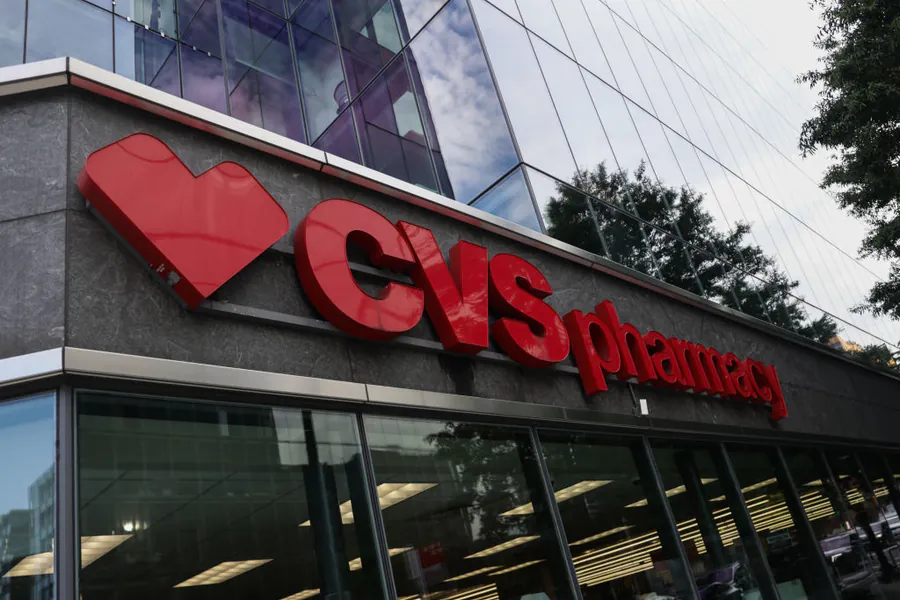
CVS Health has agreed to a $315 million settlement with the Department of Justice over allegations it knowingly filled unlawful opioid prescriptions and billed government programs like Medicare for them. The DOJ claimed CVS dispensed dangerous quantities of opioids, filled prescriptions prematurely, and supplied "trinity" drug combos from illegal pill mills — all driven by profit-focused corporate policies. CVS denies wrongdoing but has agreed to new oversight measures.
CVS Health is writing a big check to put a major legal battle behind it. The pharmacy giant has reached a $315 million settlement with the Department of Justice, resolving allegations that it knowingly filled unlawful opioid prescriptions and then billed Medicare and other federal programs for those drugs — a potential violation of both the Controlled Substances Act and the False Claims Act.
The DOJ's case, filed in December 2024, alleged that from October 2013 to December 2025, CVS dispensed "dangerous and excessive" opioid quantities, filled prescriptions too early, and supplied so-called "trinity" combinations of opioids and benzodiazepines. Regulators also claimed CVS filled prescriptions from known pill mills, with corporate staffing protocols and incentive programs blamed for putting profits ahead of patient safety. CVS denies the allegations and says the settlement is not an admission of wrongdoing.
Beyond the financial penalty, CVS has agreed to launch an employee and public hotline for reporting suspected illegal dispensing and to proactively monitor pharmacy dispensing behaviors going forward.
By the Numbers:
Why it matters: This settlement is one of the largest pharmacy-level opioid accountability actions to date, signaling that federal regulators are increasingly targeting retail pharmacies — not just manufacturers — in the fight against the opioid epidemic. The new monitoring requirements could reshape how large pharmacy chains manage prescription oversight nationwide.