Curie Brief
Turn on cookies to sign in
Signing in saves your progress to your Curie account. We can only do that with cookies on — turn them on to continue.
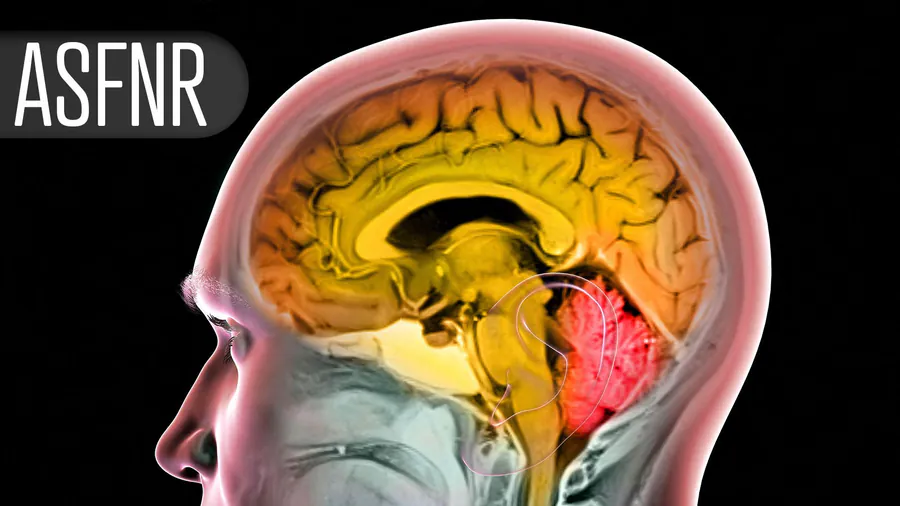
A small randomized trial found that N-acetylcysteine (NAC) — a widely available antioxidant — led to measurable changes in brain connectivity and glucose metabolism in people with multiple sclerosis. Patients on NAC also reported improvements in pain, fatigue, cognition, and attention. The findings suggest NAC could complement existing MS therapies by targeting oxidative stress, a key driver of neurodegeneration that most current treatments overlook.
Most approved MS treatments target inflammation — but oxidative stress, another major driver of neurodegeneration, largely goes unaddressed. A small randomized trial out of Thomas Jefferson University is now putting a spotlight on N-acetylcysteine (NAC), a common antioxidant, as a potential complement to standard MS care.
In the trial, 36 patients with mild to moderate MS were split into two groups: one received NAC (intravenous weekly + daily oral doses) alongside standard care, while the other received standard care alone. After roughly four months, brain imaging told a compelling story — fMRI showed significant connectivity changes in the inferior frontal region, cerebellum, and temporal and parietal lobes, while FDG-PET revealed corresponding increases in cerebral glucose metabolism in several of those same areas.
By the Numbers:
Why it matters: This is the first study to simultaneously characterize NAC's effects on both functional connectivity and cerebral metabolism in MS. Since NAC is already widely available as a supplement and used clinically for other purposes, it could be a relatively accessible add-on therapy — though researchers stress that larger studies are needed to nail down optimal dosing and duration.