Curie Brief
Turn on cookies to sign in
Signing in saves your progress to your Curie account. We can only do that with cookies on — turn them on to continue.
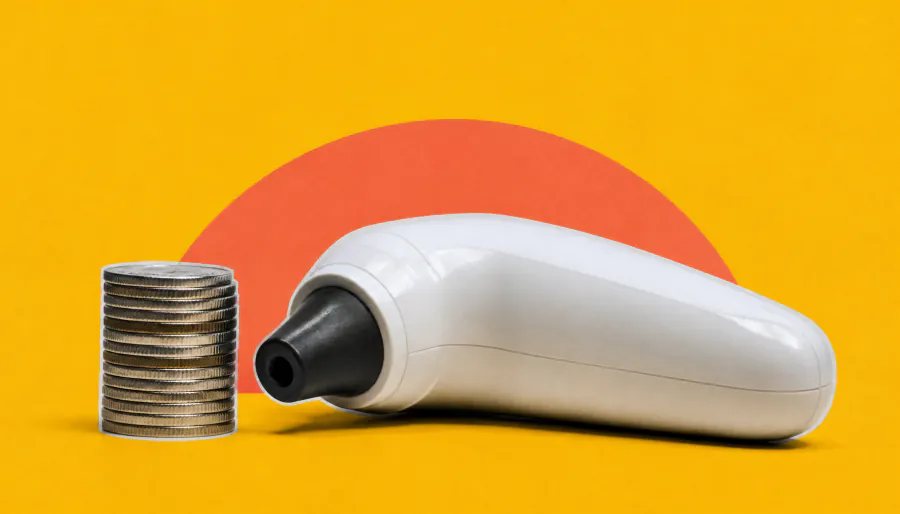
At-home devices that measure intraocular pressure (IOP) are reducing anxiety for glaucoma patients and boosting physician confidence in treatment decisions, a new study finds. Surveys of 157 ophthalmologists and 188 patients revealed strong satisfaction among users — but cost remains a major hurdle, with 83% of patients paying entirely out of pocket.
Glaucoma care has long depended on sporadic in-office pressure checks, but home tonometry devices could change that. A new study published in the Journal of Glaucoma surveyed 157 ophthalmologists and 188 glaucoma patients about their experiences with FDA-approved at-home IOP monitors (iCare Home and iCare Home2). The results paint an encouraging picture — for those already using the technology.
Among prescribing physicians, 85% said the home IOP data influenced their clinical management, and 92% reported increased confidence in treatment decisions. On the patient side, 72% found the devices easy to use, and nearly half said using them actually reduced their anxiety about their condition.
By the Numbers:
Why it matters: Despite the clear benefits, adoption remains limited — and cost is the biggest culprit. Better insurance coverage, smoother integration with electronic medical records, and stronger outcome data could be the keys to making home tonometry a standard part of glaucoma care rather than a niche add-on.