Curie Brief
Turn on cookies to sign in
Signing in saves your progress to your Curie account. We can only do that with cookies on — turn them on to continue.
When a 46-year-old fell off a roof with a grossly contaminated open elbow dislocation, surgeons at Ohio State used a two-stage strategy — first tackling infection, then rebuilding stability. The approach combined regional antibiotic delivery, monofilament sutures, and an internal joint stabilizer to minimize infection risk while restoring function. The patient was progressing through rehab within weeks.
A 46-year-old man arrived in the ED after falling off a roof with one of orthopedics' trickier presentations: a grossly contaminated open posterolateral elbow dislocation. His distal humerus had punched through the skin, yet — remarkably — his radial, median, and ulnar nerve function remained intact. Surgeons at The Ohio State University opted for a deliberate two-stage approach: clean first, reconstruct second.
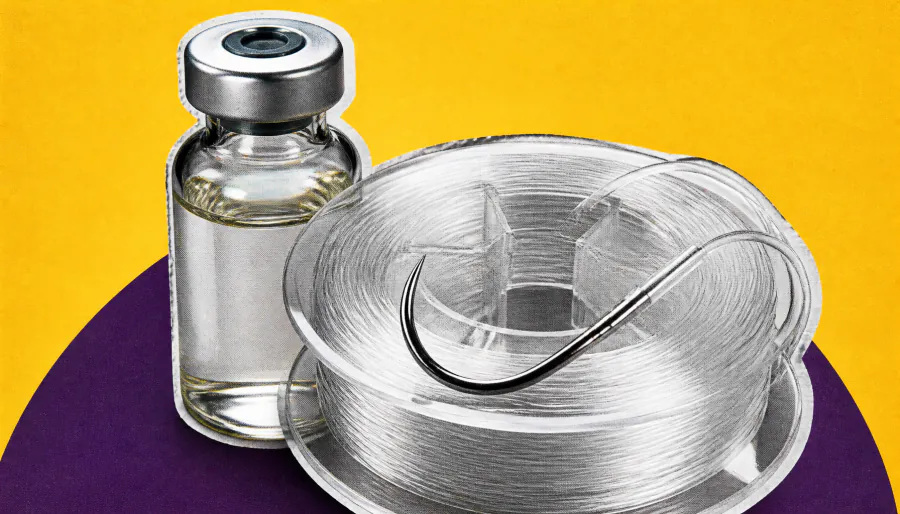
Stage one, performed within 6 hours, focused on irrigation, debridement, and exploration. Stage two, two days later, addressed the catastrophic ligament and muscle damage — complete avulsion of both the lateral and medial collateral ligaments, plus near-total rupture of the brachialis and flexor-pronator muscles. The team used an internal joint stabilizer (functioning like an internal hinged fixator), repaired ligaments through bone tunnels with absorbable monofilament sutures, and administered IV regional vancomycin to flood local tissue with antibiotics without spiking systemic levels.
Key Takeaways:
Why it matters: Grossly contaminated open dislocations are rare but devastating injuries. This case offers a practical, evidence-backed roadmap — separating infection control from reconstruction — that could meaningfully improve outcomes for surgeons facing similar high-stakes scenarios.