Curie Brief
Turn on cookies to sign in
Signing in saves your progress to your Curie account. We can only do that with cookies on — turn them on to continue.
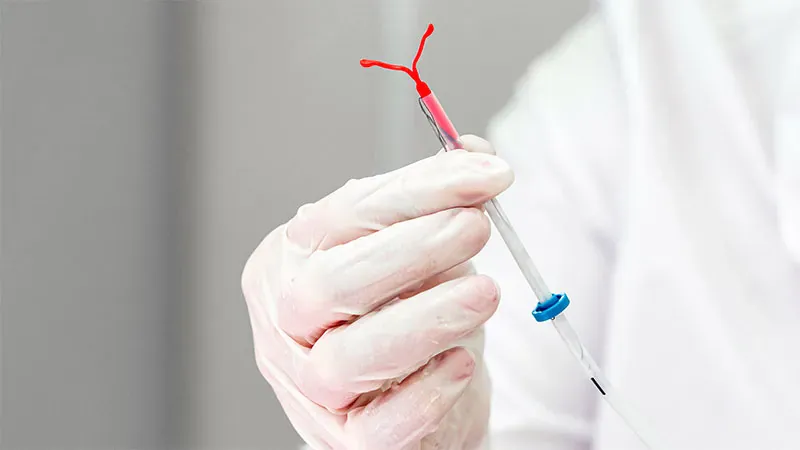
A new randomized controlled trial found that transcutaneous electrical nerve stimulation (TENS) provided no more pain relief than a sham device during IUD insertion. Patients who had never given birth reported significantly higher pain levels — regardless of whether they received active TENS or not. The findings suggest effective pain management during IUD insertion likely requires a combination of approaches rather than any single intervention.
TENS comes up short for IUD insertion pain relief
A randomized controlled trial published in the American Journal of Obstetrics and Gynecology found that high-frequency TENS (80 Hz) offered no meaningful pain reduction compared to a sham device during IUD insertion. The study enrolled 98 adults across two major health systems, with participants receiving either active TENS or sham TENS alongside standard pre-procedure ibuprofen (600–800 mg) and ultrasound guidance.
Despite the null result, researchers noted that TENS showed no harm either, and patients in the active TENS group were more likely to recommend it to a friend (91.7% vs. 76.0%). The authors suggest that effective pain management during IUD insertion likely requires a multi-pronged approach — including experienced operators, ultrasound guidance, and procedure efficiency — rather than any single add-on intervention.
By the Numbers:
Why it matters: IUD insertion pain is a well-known barrier to contraceptive uptake, especially among patients who haven't given birth. This trial adds important evidence that TENS — despite its appeal as a non-pharmacologic option — doesn't move the needle on pain relief, pushing clinicians to explore broader, multimodal strategies instead.