Curie Brief
Turn on cookies to sign in
Signing in saves your progress to your Curie account. We can only do that with cookies on — turn them on to continue.
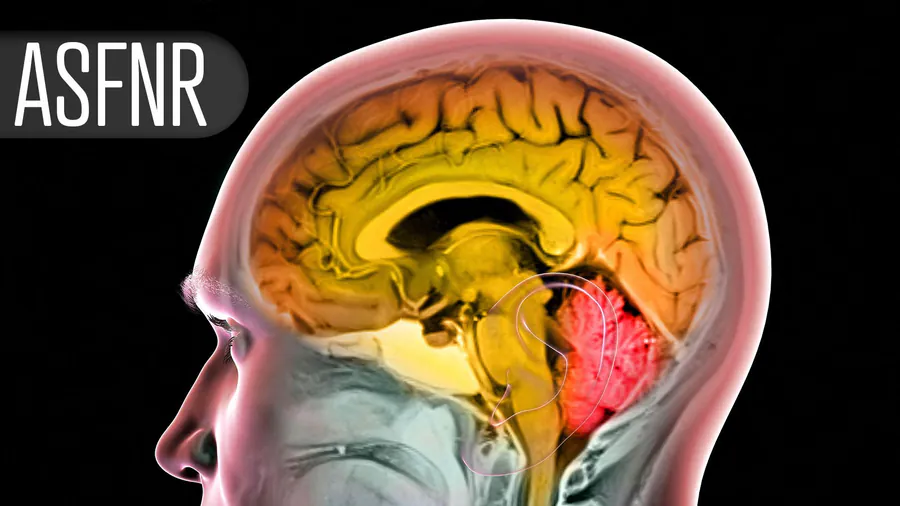
A small feasibility trial found that an accelerated course of transcranial magnetic stimulation (TMS) may help reduce methamphetamine cravings and depression in people with meth use disorder. Nearly 95% of participants completed the intensive 3-week protocol. With no FDA-approved treatments for meth use disorder and overdose deaths rising sharply, researchers say larger trials are urgently needed.
A small feasibility trial is offering a glimmer of hope for one of addiction medicine's toughest challenges. Researchers tested an accelerated course of repetitive transcranial magnetic stimulation (TMS) — specifically intermittent theta burst stimulation (iTBS) — in people with moderate-to-severe methamphetamine use disorder and co-existing depression. The intensive protocol involved 50 sessions over just 3 weeks, and after 12 visits, participants reported reduced methamphetamine cravings and lower depression severity.
The results are preliminary but encouraging: 94.7% of participants completed at least 45 of the 50 sessions — a notably high adherence rate for this population. Researchers borrowed elements from the SAINT protocol, originally developed for treatment-resistant depression, adapting it for stimulant use disorder.
By the Numbers:
Why it matters: With meth-related overdose deaths climbing and no approved pharmacological treatments on the market, even early signals from non-drug interventions like accelerated TMS are significant. A larger, multisite randomized controlled trial is the critical next step.