Curie Brief
Turn on cookies to sign in
Signing in saves your progress to your Curie account. We can only do that with cookies on — turn them on to continue.
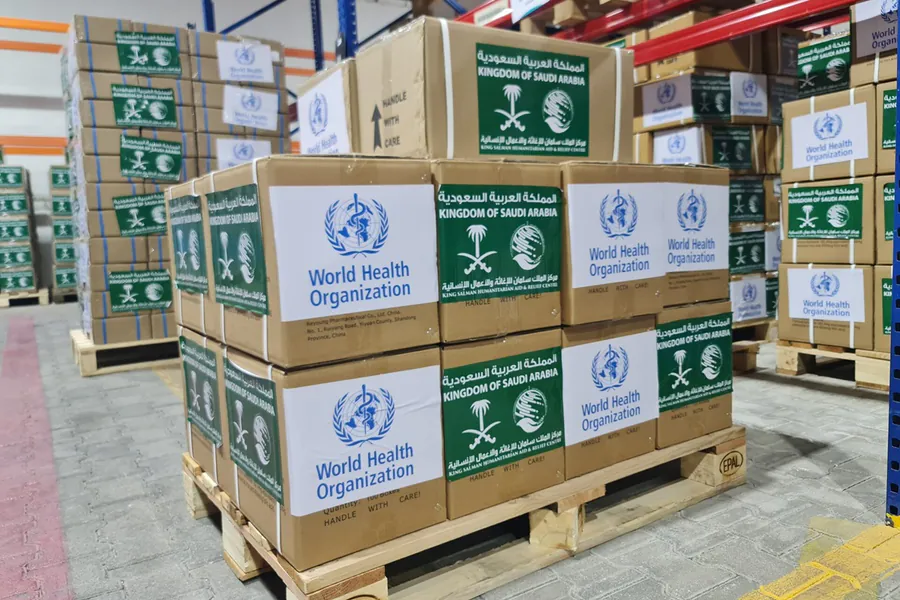
Getting medicines to the right people at the right time is harder than it sounds — especially for neglected tropical diseases. WHO and global partners met in Geneva to tackle persistent supply chain gaps, from customs delays to forecasting failures, as the 2030 NTD road map deadline looms. Countries like Uganda and the DRC are already showing measurable progress.
WHO convened three back-to-back meetings in Geneva (September 22–25, 2026) alongside ministries of health, pharmaceutical donors, and implementing partners to tackle one of global health's quieter crises: getting neglected tropical disease (NTD) medicines reliably to the people who need them. The meetings — the NTD Supply Chain Forum, the Supply Chain Technical Support Mechanism (SCTSM), and the Global Coordination and Stewardship Committee — zeroed in on forecasting failures, customs bottlenecks, inventory blind spots, and accountability gaps across the medicine supply chain.
The week's discussions also looked ahead to life after 2030, when external medicine donations and financing may shift significantly. Participants stressed the need to start transition planning now — covering procurement, regulatory requirements, and financing — rather than scrambling later.
By the Numbers
Why it matters: NTDs affect over a billion people globally, mostly in low-income settings. Supply chain failures mean medicines sit in warehouses or expire before reaching patients. These meetings signal a coordinated push to make NTD medicine delivery more predictable, accountable, and country-led — critical as global health financing grows more uncertain.