Curie Brief
Turn on cookies to sign in
Signing in saves your progress to your Curie account. We can only do that with cookies on — turn them on to continue.
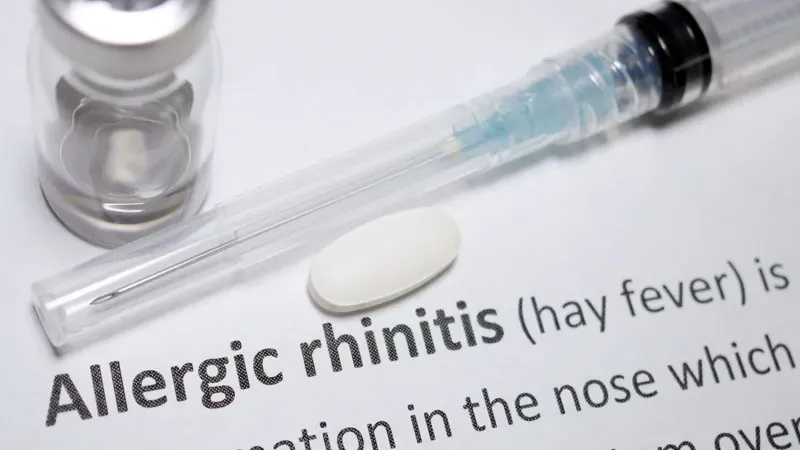
Kids with allergic rhinitis may have more going on in their airways than meets the eye. A new study found that children with allergic rhinitis — but no asthma diagnosis — had over three times the odds of elevated airway inflammation markers compared to kids without rhinitis. Lung function looked mostly normal, suggesting the inflammation flies under the radar.
Kids with allergic rhinitis may have more going on in their airways than meets the eye. A new cross-sectional study published in Pediatric Allergy and Immunology found that children aged 7–12 with allergic rhinitis — but no diagnosed asthma — had significantly higher levels of fractional exhaled nitric oxide (FeNO), a key marker of eosinophilic (allergic-type) airway inflammation, compared to kids without rhinitis.
The catch? Their lung function looked largely normal. This means the inflammation is happening silently, without the typical functional red flags clinicians rely on. Researchers analyzed 559 children from 20 public schools in Portugal, 15% of whom had allergic rhinitis.
By the Numbers:
Why it matters: These findings support the "united airway disease" concept — the idea that the upper and lower airways are one connected system. Clinicians may need to look beyond lung function tests to catch early airway inflammation in kids with allergic rhinitis, even when asthma hasn't been diagnosed.