Curie Brief
Turn on cookies to sign in
Signing in saves your progress to your Curie account. We can only do that with cookies on — turn them on to continue.
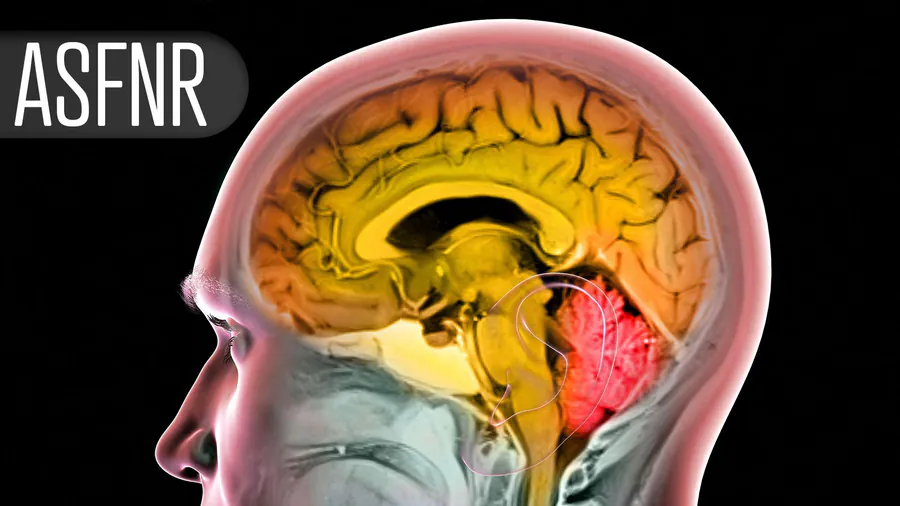
Rethinking TBI discharge decisions with CT classification. A large observational study found that patients with mild brain hemorrhage — classified as TBI-RADS III — had the same low rate of needing neurosurgery (0.9%) as those with normal scans, yet were still hospitalized for a median of 47 hours. Researchers say a structured CT classification system could safely identify low-risk TBI patients for early discharge, freeing up critical ICU beds.
Rethinking who really needs the ICU after a head injury
A new observational study suggests that a CT-based classification system called TBI-RADS could help emergency physicians safely discharge a subset of traumatic brain injury (TBI) patients much earlier — even when their head CT shows minor bleeding. Right now, nearly any positive CT finding triggers ICU or step-down admission with a repeat scan 12–24 hours later, causing admission rates to jump from under 35% (normal scans) to 74.1% with even minor findings.
The study, presented at the American Society of Functional Neuroradiology meeting, analyzed 7,590 TBI patients seen at a single academic health system from 2021–2025. Patients with mild hemorrhage (TBI-RADS III — minor subarachnoid hemorrhage or subdural hematoma under 5 mm, no midline shift) had just a 0.9% rate of needing any cranial neurosurgical procedure — identical to patients with normal scans — yet they accumulated 4,390 unnecessary bed-days over five years.
By the Numbers
Why it matters: ICU beds are a finite resource, and keeping low-risk TBI patients in them displaces more critical patients. If validated in prospective, multi-center trials — which researchers are now planning — TBI-RADS could become a practical tool to right-size care, reduce costs, and improve hospital capacity without compromising patient safety.