Curie Brief
Turn on cookies to sign in
Signing in saves your progress to your Curie account. We can only do that with cookies on — turn them on to continue.
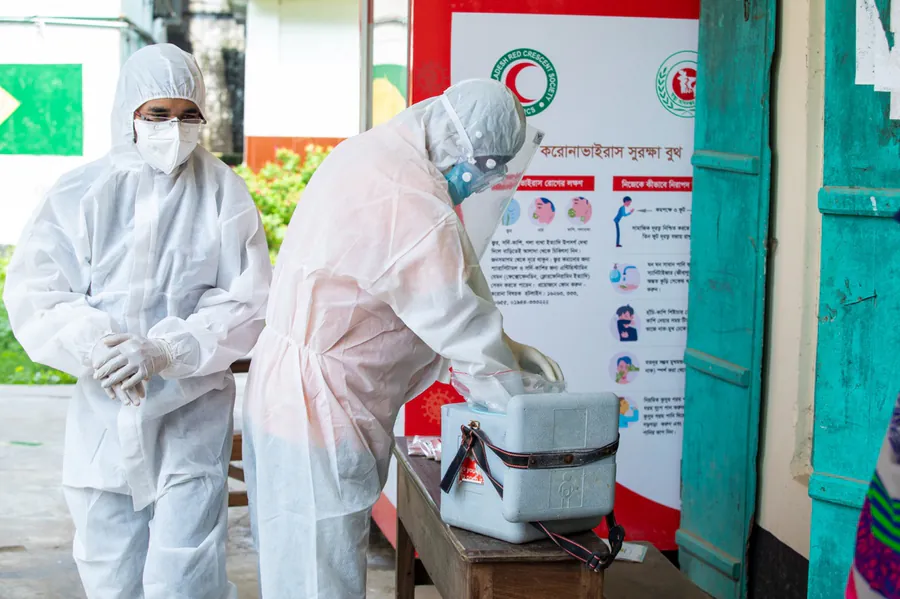
The UN General Assembly has officially adopted a Political Declaration on Pandemic Prevention, Preparedness and Response, reaffirming global solidarity to protect future generations from pandemics. The declaration calls for stronger monitoring systems, equitable access to health tools, and sustainable financing. A key next step is finalizing the Pathogen Access and Benefit Sharing (PABS) annex to bring the WHO Pandemic Agreement into force.
The United Nations General Assembly has officially adopted a Political Declaration on Pandemic Prevention, Preparedness and Response (PPPR), marking a major milestone in global health governance. Building on lessons from COVID-19, the declaration calls for sustained investment in national and global capacities to detect, prevent, and respond to future pandemic threats — treating preparedness not just as a health issue, but as a development, economic, and security imperative.
A critical unfinished piece of the puzzle is the Pathogen Access and Benefit Sharing (PABS) annex to the WHO Pandemic Agreement. Finalizing PABS — which governs timely sharing of pandemic-potential pathogens and equitable distribution of resulting vaccines and treatments — is essential for the Agreement to enter into force as international law. The outcome of PABS negotiations will be considered at the World Health Assembly in May 2027 or earlier.
By the Numbers:
Why it matters: Without a binding international framework, the world remains vulnerable to the same coordination failures that plagued the COVID-19 response. The PABS annex is the linchpin — its adoption could give the WHO Pandemic Agreement the legal standing needed to ensure faster, fairer responses to future outbreaks.