Curie Brief
Turn on cookies to sign in
Signing in saves your progress to your Curie account. We can only do that with cookies on — turn them on to continue.
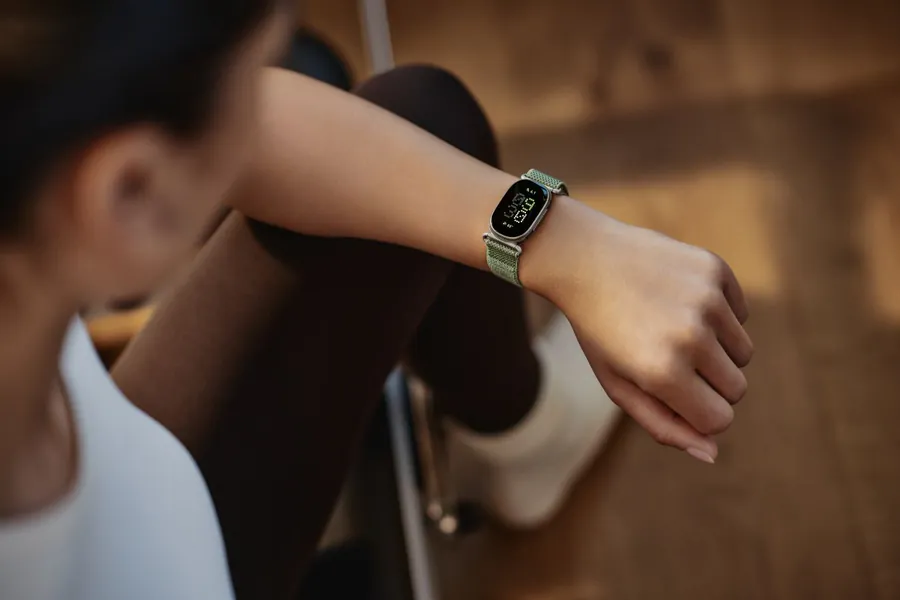
Google just dropped the Fitbit Edge, a $180 tracker that uses AI to proactively monitor blood pressure trends, insulin resistance, and more. It slots between the screenless Fitbit Air and the Pixel Watch, and pairs with a growing ecosystem of health app partnerships. Google's vision: turn your wearable into a personalized health companion, not just a step counter.
Google is doubling down on consumer health tech with the launch of the Fitbit Edge, a $180 fitness tracker that blends advanced sensors with AI-powered insights. The device sits between the screenless Fitbit Air and the premium Pixel Watch, and is designed to shift health monitoring from reactive data collection to proactive, personalized guidance. Features include automatic workout detection, an altimeter, and tools to track blood pressure and insulin resistance trends — all without a blood draw.
The Fitbit Edge taps into Google's broader Health Guardian suite, which uses wearable sensors and AI to detect subtle physiological changes over time. The insulin resistance feature passively analyzes weeks of data to estimate metabolic trends, while the blood pressure tool is powered by WavesFM, a foundation model trained on billions of minutes of heart and movement data.
Google is also rapidly expanding its health app ecosystem, announcing partnerships with Flo (women's health), Abbott (continuous glucose monitoring via Lingo), MyFitnessPal (nutrition tracking), and Function Health (clinical lab results).
Quick Facts:
Why it matters: As wearables grow more clinically sophisticated, the line between consumer gadget and health monitoring tool is blurring — with real implications for how patients and clinicians track chronic conditions like metabolic syndrome and hypertension outside of traditional care settings.