Curie Brief
Turn on cookies to sign in
Signing in saves your progress to your Curie account. We can only do that with cookies on — turn them on to continue.
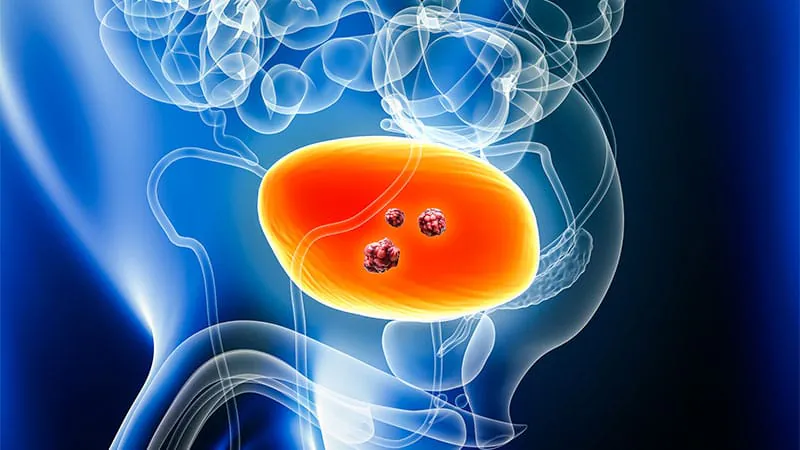
Researchers at Stanford University have developed a urine cell-free RNA (cfRNA) test that could revolutionize bladder cancer care. The test outperformed traditional cytology and DNA-based tools in detecting cancer, identifying minimal residual disease, and predicting response to BCG immunotherapy. It may even reduce the need for frequent, invasive cystoscopies.
A Stanford University research team has developed a urine-based cell-free RNA (cfRNA) liquid biopsy that shows strong promise for diagnosing bladder cancer, detecting minimal residual disease (MRD), and predicting patient response to BCG — the standard first-line immunotherapy. Published in Nature Medicine, the study analyzed 683 urine samples from 515 individuals and found the cfRNA test significantly outperformed both traditional urine cytology and DNA-based diagnostic tools.
Unlike DNA tests, RNA analysis reveals what genes a tumor is actively expressing, enabling cancer phenotyping (e.g., distinguishing low vs. high grade) and overcoming the "field effect" — a key limitation where normal mutated cells shed into urine can confuse DNA-based tests. The cfRNA test also showed a compelling ability to stratify patients post-surgery and post-BCG treatment, with nearly all patients who had undetectable tumor RNA after BCG remaining recurrence-free.
By the Numbers:
Why it matters: Bladder cancer surveillance currently relies heavily on cystoscopy — a procedure done as often as every 3 months that requires inserting a scope through the urethra under anesthesia. A non-invasive urine test that can guide treatment decisions and monitor disease could dramatically improve patient experience and enable more personalized care.