Curie Brief
Turn on cookies to sign in
Signing in saves your progress to your Curie account. We can only do that with cookies on — turn them on to continue.
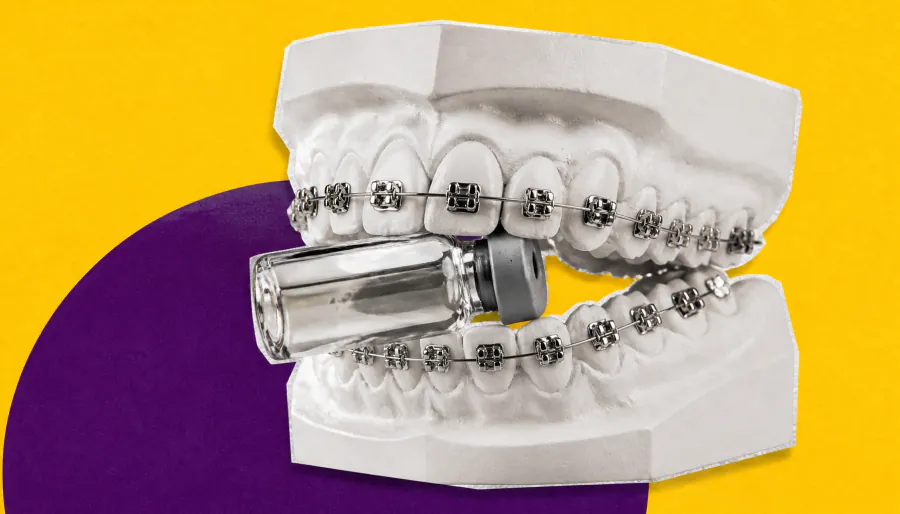
Researchers have identified Piezo1 and Piezo2 ion channels as critical players in how mechanical forces drive tooth movement and bone remodeling during orthodontic treatment. A new review in Genes & Diseases shows these channels also play a role in conditions like TMJ osteoarthritis and periodontitis. Targeting Piezo channels could pave the way for faster, safer, and more personalized orthodontic care.
A new review published in Genes & Diseases shines a spotlight on Piezo1 and Piezo2 — mechanosensitive ion channels that act as the body's pressure sensors, converting physical forces into cellular signals across the craniofacial skeleton and periodontal tissues. These channels appear to be central to how teeth move during orthodontic treatment, coordinating the bone formation and resorption that allows repositioning.
Piezo1, in particular, plays a broad role — influencing ligament cells, bone-forming cells, stem cells, and immune cells to regulate the delicate balance between bone building and breakdown. Piezo2 contributes through sensory nerve-to-bone communication. Importantly, abnormal Piezo activity is linked to root resorption and orthodontic pain, suggesting that fine-tuning these channels could reduce treatment side effects.
Key Takeaways:
Why it matters: Understanding Piezo channels opens a new frontier for orthodontics — one where clinicians could potentially accelerate tooth movement, minimize pain, and personalize treatment with greater biological precision.