Curie Brief
Turn on cookies to sign in
Signing in saves your progress to your Curie account. We can only do that with cookies on — turn them on to continue.
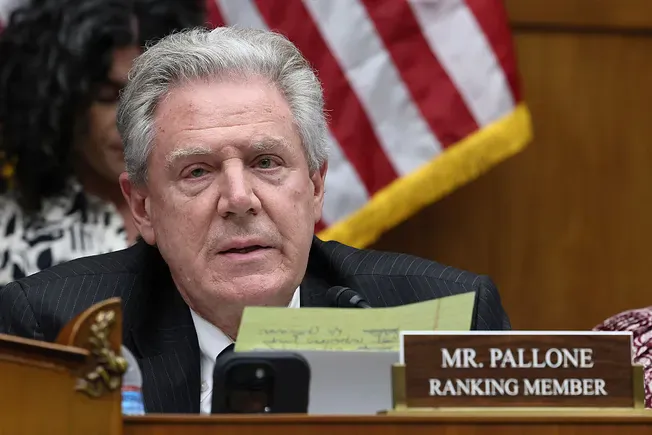
A new bill aims to kill the No Surprises Act's arbitration system, which has racked up over $22 billion in extra healthcare costs since 2022. Rep. Frank Pallone's "Lower Premiums, Faster Payments Act" would replace the dispute process with flat, market-based out-of-network payment rates starting in 2028. Provider groups are already pushing back, arguing the fix hands too much power to insurers.
The No Surprises Act was designed to protect patients from unexpected medical bills — and by most accounts, it has. But the arbitration system built to settle payment disputes between providers and insurers? That's a different story. Rep. Frank Pallone (D-N.J.), one of the law's original authors, introduced the "Lower Premiums, Faster Payments Act" last week, which would eliminate the Independent Dispute Resolution (IDR) process entirely after 2027.
Under the new bill, insurers would pay providers flat out-of-network rates based on median in-network payments as of January 2019, adjusted annually for inflation. Pallone argues the current system has been exploited by "a few bad actors — largely backed by private equity — gaming the system, creating backlogs, delaying payments, and driving up premiums." Provider groups, including the American College of Radiology and American College of Emergency Physicians, pushed back, saying the bill gives insurers too much leverage over physician pay.
By the Numbers:
Why it matters: The IDR system's escalating costs pose a real threat to insurance premiums for everyday Americans. This bill signals serious congressional momentum to overhaul a process that, despite good intentions, has become a major financial battleground — with patients potentially footing the bill.