Curie Brief
Turn on cookies to sign in
Signing in saves your progress to your Curie account. We can only do that with cookies on — turn them on to continue.
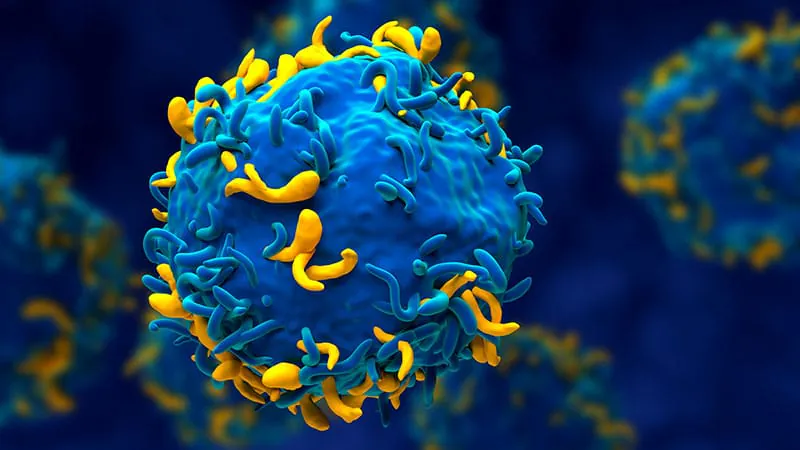
An international panel has released updated guidelines for CAR T-cell therapy in autoimmune disease, with patient safety front and center. The guidance covers everything from patient selection and toxicity management to new indications — including pediatric patients. This comes on the heels of three patient deaths that prompted Novartis and Bristol Myers Squibb to pause their autoimmune CAR T trials.
An international panel coordinated by the European Society for Blood and Marrow Transplantation (EBMT), the International Society for Cell and Gene Therapy (ISCT), and JACIE has published updated guidelines for CAR T-cell therapy in autoimmune disease, appearing in The Lancet Rheumatology. The overarching theme: optimizing safety for a powerful but complex treatment used in a vulnerable patient population.
The guidelines arrive at a critical moment. In August, Novartis paused eight trials of rap-cel after three fatal cases of immune effector cell-associated hemophagocytic lymphohistiocytosis-like syndrome (IEC-HS) — a rare but severe hyperinflammatory complication. Bristol Myers Squibb followed with a voluntary pause on its rival product, zola-cel. Though the guideline authors say the deaths did not trigger the update, the timing underscores the urgency of standardized safety frameworks.
The updated recommendations expand disease-specific eligibility criteria, add new indications — including pediatric patients and rare hematologic autoimmune diseases — and stress the need for multidisciplinary collaboration between cell therapists, rheumatologists, and neurologists.
Key Takeaways:
Why it matters: As CAR T-cell therapy moves beyond oncology into autoimmune disease, standardized, multidisciplinary care frameworks are essential to prevent serious — and potentially fatal — complications while preserving the therapy's transformative potential.