Curie Brief
Turn on cookies to sign in
Signing in saves your progress to your Curie account. We can only do that with cookies on — turn them on to continue.
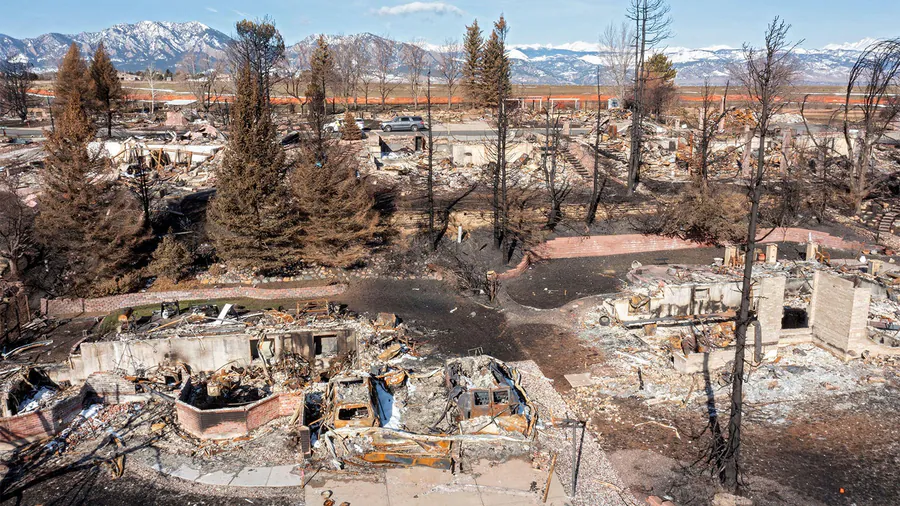
A landmark Supreme Court case, Suncor v. Boulder, is forcing a reckoning over who pays for the mounting health costs of climate change. Boulder County sued ExxonMobil and Suncor after the 2021 Marshall Fire devastated communities, arguing fossil fuel companies knowingly misled the public. Physicians say their patients — and the health system — are already footing the bill.
On October 5, 2026, the Supreme Court heard oral arguments in Suncor Energy v. County of Boulder, an 8-year legal battle that started when Boulder County sued ExxonMobil and Suncor in 2018. The case centers on the 2021 Marshall Fire — a blaze driven by 100 mph winds that destroyed 1,084 buildings, killed two people, displaced 37,000 residents, and left behind an estimated $2 billion in damages. The core question: should fossil fuel companies pay for climate-related harms they allegedly knew were coming?
For physicians, this isn't abstract. Wildfire smoke, extreme heat, flooding, and expanding tick and mosquito ranges are already driving up emergency visits, hospitalizations, and long-term health burdens — costs currently absorbed by patients, taxpayers, and health systems. Drawing a direct parallel to tobacco litigation, advocates argue that just as state attorneys general held cigarette makers accountable through the 1998 Master Settlement Agreement, fossil fuel companies should bear their share of climate costs.
Key Takeaways:
Why it matters: If the Court sides with Suncor, communities and health systems may be permanently locked into absorbing the costs of climate damage — with no legal pathway to hold polluters accountable.